
What works. What doesn’t. What lessons have changed how you lead?
The Executives Institute is here to keep America’s leaders talking about the fundamentals of building a business. talking points lead to turning points.

Join our LinkedIn discussion each week or let us help you set up a Turning Points Study Group in your area.
“Listen, let me tell you how that played out in my company…”
100 Rules. One week at a time.
WEEK 1 begins Monday, January 4, 2027, with Rule No. 1. Join us on LinkedIn.
We want to hear your Executive Insights — tell us your story. Add your name to the America’s entrepreneurial archives.
Rule No. 1 📔 Solve a real problem.
the hard truth 📌 Your great idea means nothing if nobody needs it. —What do I mean? If no one would miss your product when it’s gone, you built yourself a cool hobby. Go find something that hurts and fix it.

the principle 🎓 The best businesses solve problems people already have. Find something that costs people time, money, frustration, or opportunity, and figure out how to make it better. Don’t start with what you want to sell —start with what people need fixed.
challenge ✍️ Describe the problem your customers are paying you to solve, without talking about your product.
“the turning point 📈 for our company came when we drafted our core problem statement.”
Rule No. 2 📔 Fall in love with the problem (not your solution).
the hard truth 📌 Your solution isn’t what’s most important. The problem is. —In other words, don’t weld your ego to your first design or solution. You’ll probably end up defending it all the way to bankruptcy.

the principle 🎓 Stay customer-centered and keep your ego in check. Solutions will come and go, but a deep understanding of the real problem is what creates lasting value. Focus on the true needs and challenges of your customers and not your preconceived ideas.
ask yourself ✍️ Are we solving our customer’s real problem, or just busy defending our own idea?

“the turning point 📈 came when we quit pitching and started doing more asking, listening and learning.”
Rule No. 3 📔 Differentiate or die.
the hard truth 📌 Competition is expensive, most of us choose it anyway. —The reality is, being 10% better than your competitor doesn’t get you a lot. Be different enough that comparing you to them seems ridiculous.

the principle 🎓 If people can’t see why you’re different, they don’t have much reason to choose you over the competition. This isn’t about being slightly better. It’s about being different in a way that customers recognize, value, and talk about. You don’t have to be better at everything, but you need to stand for something that matters to your customers and do it in a way others can’t easily copy.
the question ✍️ Why should I spend my money on your offer, if there are cheaper alternatives on the market?

“the turning point 📈 for my company came when we stopped competing and started leading our industry.”
Rule No. 4 📔 Play the long game.
the hard truth 📌 Short-term thinking creates short-term companies. —Let’s be honest, anyone can “grind it out” for a quarter. The real test is whether you’re still swinging the hammer in year ten, when everyone else got bored. Build something real.

the principle 🎓 Building a solid business takes time. Don’t sacrifice the future just to make today look good. Short-term thinking will get you a rollercoaster company that fizzles out in a few years. Build trust, take care of your customers and make decisions that will still make sense five or ten years from now.
ask yourself ✍️ Am I building for the next 5 to 10 years, or just reacting to what’s happening today and this year?

“the turning point 📈 for us came when we started basing our decisions on our 10-year plan.”
Rule No. 5 📔 Make fewer, bolder moves.
the hard truth 📌 Busy isn’t strategic. It’s just loud and chaotic. —Consider this: ten small bets probably means ten small outcomes. Pick one thing that could change everything and put your whole weight behind it.

the principle 🎓 When every project is labeled “critical,” none of them are. Playing to win means saying no more often than yes. Confident decision-making leads to clearer strategy, faster execution and a more measurable impact.
ask your team ✍️ Are we actually accomplishing a lot each quarter? Or, are we just attempting a lot every day?
“the turning point 📈 for us, was conducting a strategic elimination exercise.”
Rule No. 6 📔 Your first idea is rarely your best.
the hard truth 📌 Our first idea is usually the same one everybody else already had. —The reality is, your first version is just a rough draft with a logo on it. Expect to throw it out and be glad you did.

the principle 🎓 Don’t settle for the first solution that comes to mind. Ask questions. Try different approaches. Throw out ideas that don’t work and try again. The better answer is often (usually) the one you find after the obvious answer doesn’t work.
ask yourself ✍️ Am I opening the door for 2nd, 3rd or 4th ideas? Which more likely gets rewarded in our organization; speed or thoughtful exploration?
“the turning point 📈 for us, came when we started always asking ‘what else could we do?’“.
Rule No. 7 📔 Momentum beats motivation.
the hard truth 📌 Motivation is unreliable. Momentum is not. —Understand that motivation is just a mood, and our moods change pretty quickly.

the principle 🎓 You won’t always feel like doing what needs to be done. Who does? Our self-motivation comes and goes. The key is to keep moving, even on the days when you don’t feel like it. Small steps taken every day add up, and once you get moving, it’s easier to keep moving.
here’s my question ✍️ What have you been waiting to “feel like” doing? What’s stopping you from taking the first step?
“the turning point 📈 in my career, was when I learned to stop waiting for motivation.”
Rule No. 8 📔 Don’t mistake movement for progress.
the hard truth 📌 Busy people feel productive. Focused people actually are. —The reality is, meetings, phone calls and full calendars aren’t output. If the product isn’t better at the end of the day, all you did was walk in circles.

the principle 🎓 Being busy doesn’t mean you’re getting important things done. You don’t get extra credit for a full calendar or a long day. Figure out what matters most and put your time and energy there. Doing more isn’t the goal. Doing what matters is. Stop “the grind”. Slow down, get clear, and focus your effort where it actually counts.
a challenge ✍️ What recurring meetings or “important tasks” could you get rid of, without losing any real significant value?
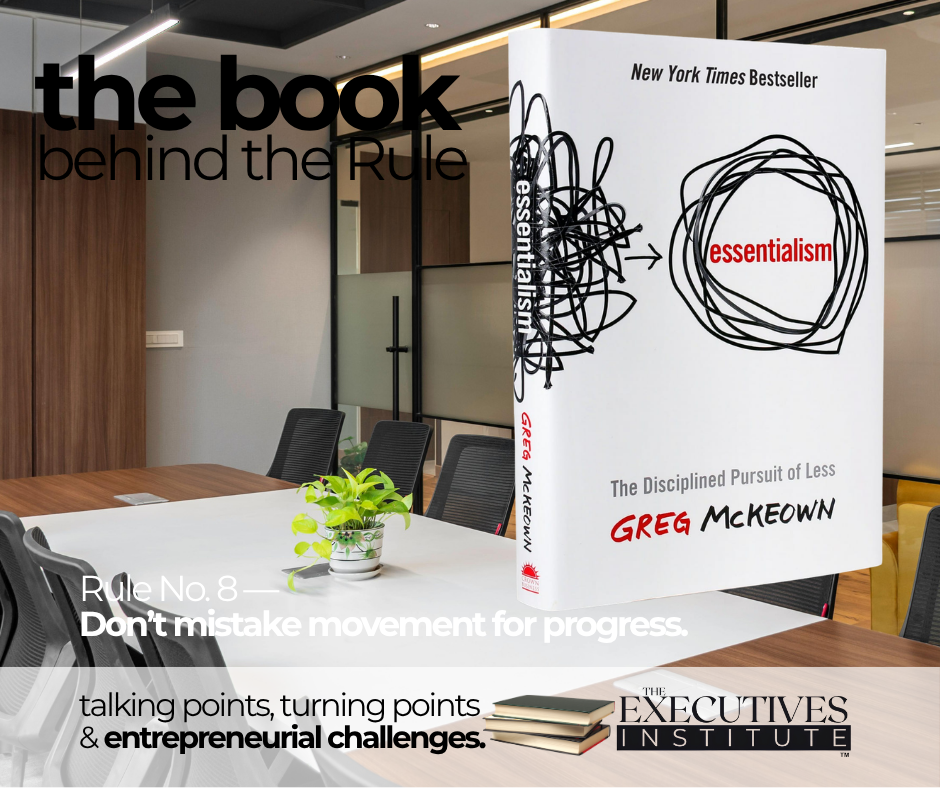
“our turning point 📈 was eliminating the unproductive activities and elevating the high-impact ones.”
Rule No. 9 📔 Focus beats multitasking.
the hard truth 📌 Multitasking is the most expensive myth in business. —Let’s be honest, nobody respects the leader who claims to be constantly “juggling” everything. Juggling is a circus act. Focus on the right thing. Do it well. Then move to the next thing. Be that leader.

the principle 🎓 You can’t give your best attention to everything at the same time. Every time you jump from one task to another, you lose time and focus. Pick the thing that matters most, give it your full attention, and finish it before moving on. Focus gets things done. Multitasking is a myth.
ask your team ✍️ Where are we just checking the boxes, instead of making real progress?
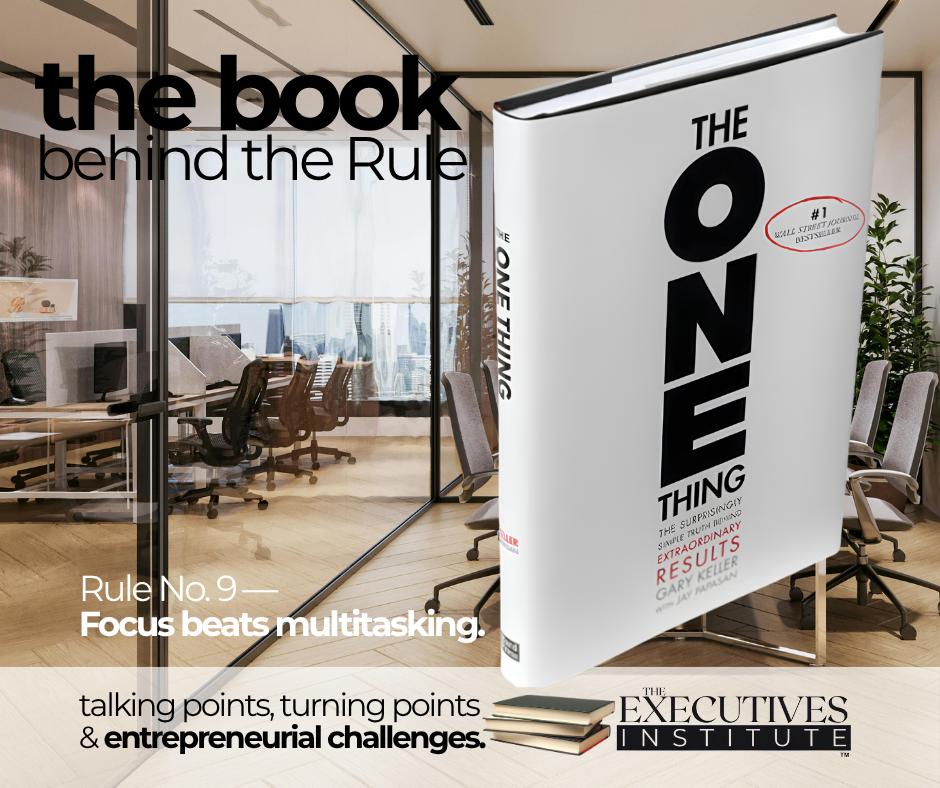
“the turning point 📈 was when I stopped juggling and started focusing.”
Rule No. 10 📔 Never stop learning.
the hard truth📌Success is one of the easiest ways for us to stop learning. —Wake up. Stay sharp. The day you think you know it all is the day a twenty-three-year-old with a laptop eats your lunch. Stay a student or become a story.

the principle 🎓 We never outgrow the need to learn. Ask questions. Listen to people who know more than you do. Learn from your mistakes and stay open to better ways of doing things. Experience matters, but staying curious matters too. The leaders who last are the ones who never confused experience with expertise.
ask yourself ✍️ Where am I relying on what I already know instead of learning what I need to know?
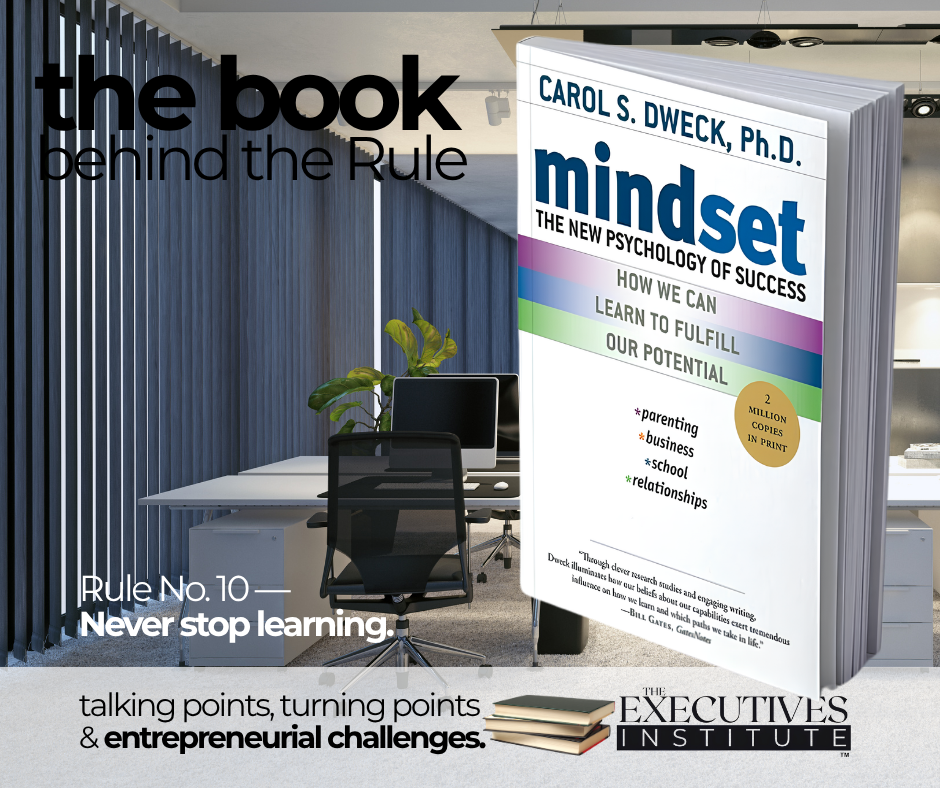
“the turning point 📈 came when we built the habit of continuous learning.”
Rule No. 11 📔 Your brand is your promise.
the hard truth📌 Our brand isn’t what we say. It’s what our customers say about us. —In other words, it’s not the logo. It’s whether the thing shows up on time and works. Break the promise once and the logo is just paint.

the principle 🎓 Your brand is built one customer at a time. Every sale, phone call, delivery, and conversation tells people what they can expect from you. Make a promise you can keep, then keep it.
ask your team ✍️ If our customers were asked to define our brand in three words, what would they say? Does our reputation match our promise?
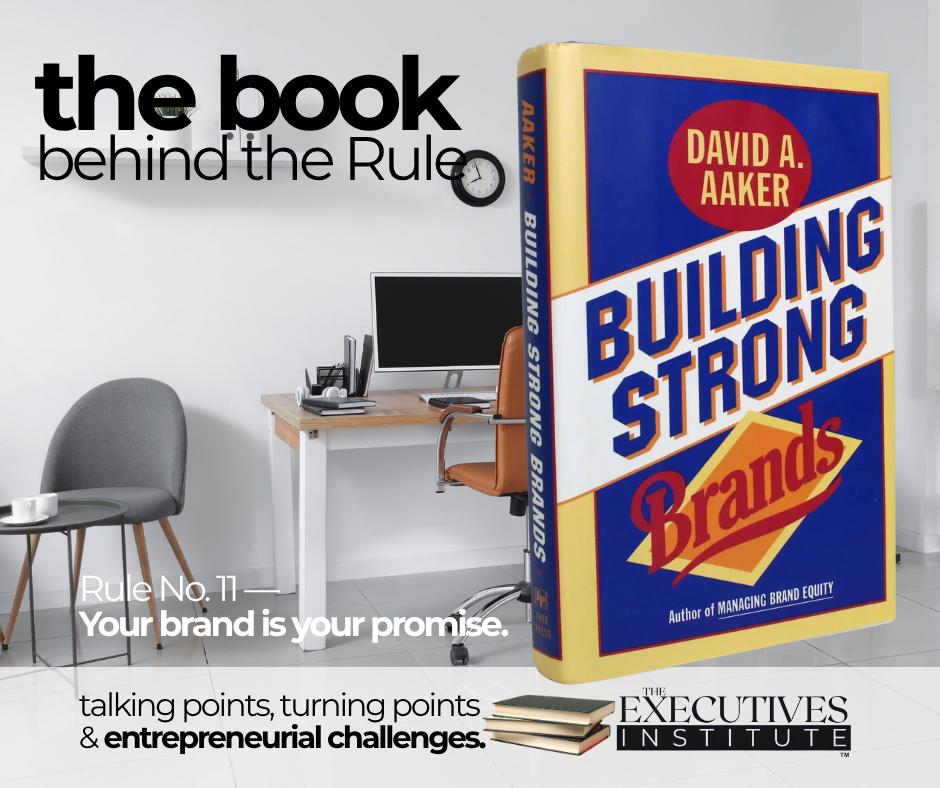
“our turning point 📈 came when we conducted a brand audit.”
October 26, 2026 Update: Through the end of this year, we will be opening each of the 100 Rules of Business. Each Rule page will contain more questions, challenges, and the cirriculum for turning points executive study, pdf worksheets, plus your experienced insights and book reviews. Please, add your insights to any of the Rules prior to our January 4, 2027 official LinkedIn discussion launch, and don’t hesitate to reach out with any questions or ideas for The Executives Institute. Thank you for being here and taking a closer look at our project. I say “our”, because this project belongs to and is being built by all U.S. business leaders, coast to coast. Thanks again, Kurt. kurt@theexecutivesinstitute.com or text me at (701) 541-1073, 9am-3pm EST.
Our build team is small, so bear with us as we get this train rolling.
Rule No. 12 📔 Know your customer deeply.

The Principle: The better you know your customers, the better you can serve them. Listen to what they say, watch what they do, and pay attention to the problems they deal with every day. Don’t just know who your customer is. Know what it’s like to be your customer.
✍️ Here’s my question: How well do you really understand what your customers deal with every day?
👥 Insights & Reviews Published: 0
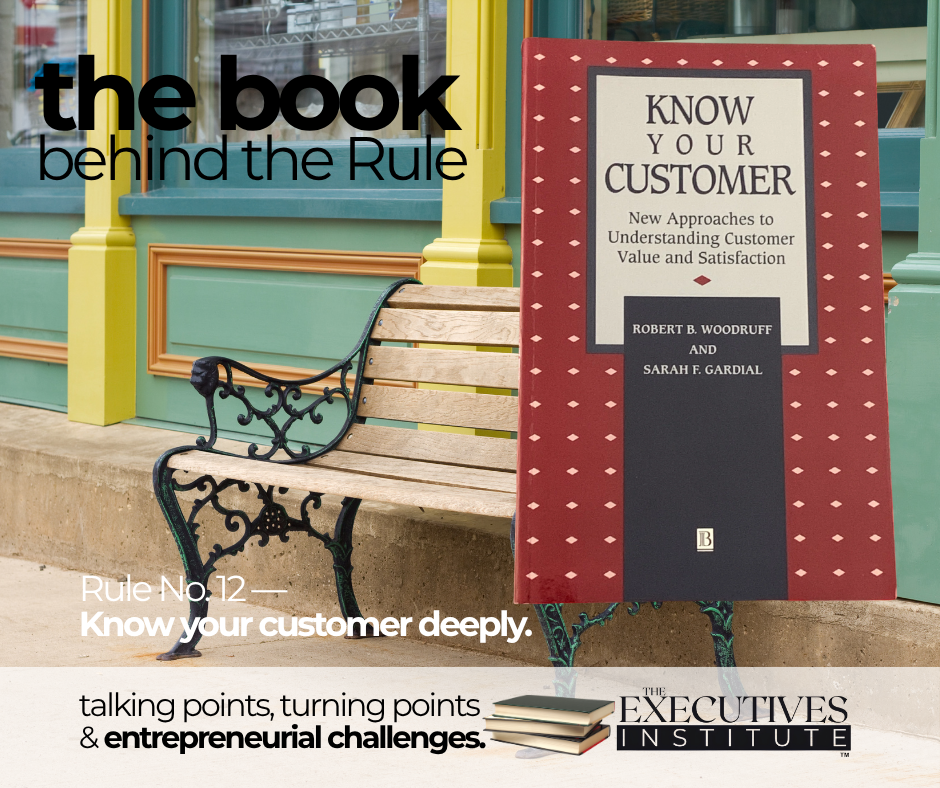
The hard truth📌Shallow customer knowledge produces shallow results.
Rule No. 13 📔 Know your numbers.

The Principle: The numbers tell you what’s really happening in your business. Learn to read your income statement, balance sheet, and cash flow. Know your margins, expenses, debt, and cash. You don’t have to love numbers. You just can’t afford to ignore them.
✍️ Ask yourself: What financial terms or metrics do you hear a lot, but secretly don’t fully understand?
👥 Insights & Reviews Published: 0

The hard truth📌If we can’t read our financials, we can’t lead our business.
Rule No. 14 📔 Know when to let go.

The Principle: Sometimes you have to fire the person, drop the product, kill the idea, or change the plan. The longer you keep something that isn’t working, the more time and money you waste —and the more you miss what could be working. Letting go isn’t always failure.
✍️ Ask your team: What are we holding onto simply because we’ve already invested too much in it?
👥 Insights & Reviews Published: 0
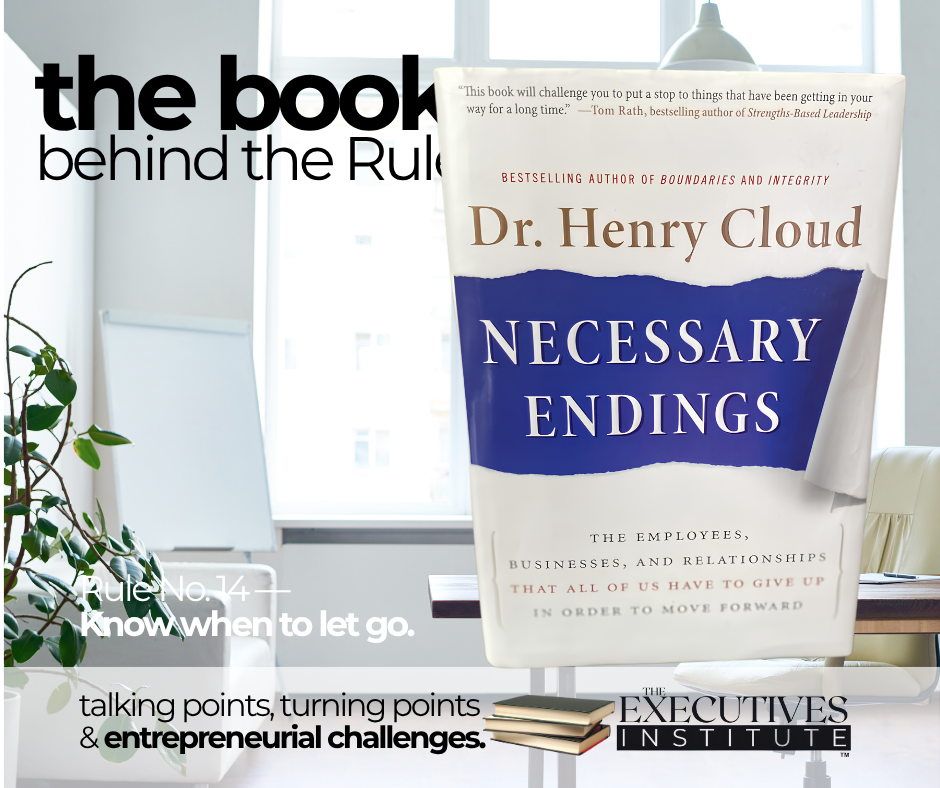
The hard truth 📌Endings are just a regular part of doing business.
Rule No. 15 📔 Work on your business, not just in it.

The Principle: Your job as the owner is not to be the best person at every job in the company. Your job is to build a company that other people can run, improve, and grow. Create good systems. Hire good people. Teach them how you want things done, then get out of their way.
✍️ Ask yourself: If I get hit by a bus tomorrow, what part of this company breaks first? What’s next?
👥 Insights & Reviews Published: 1
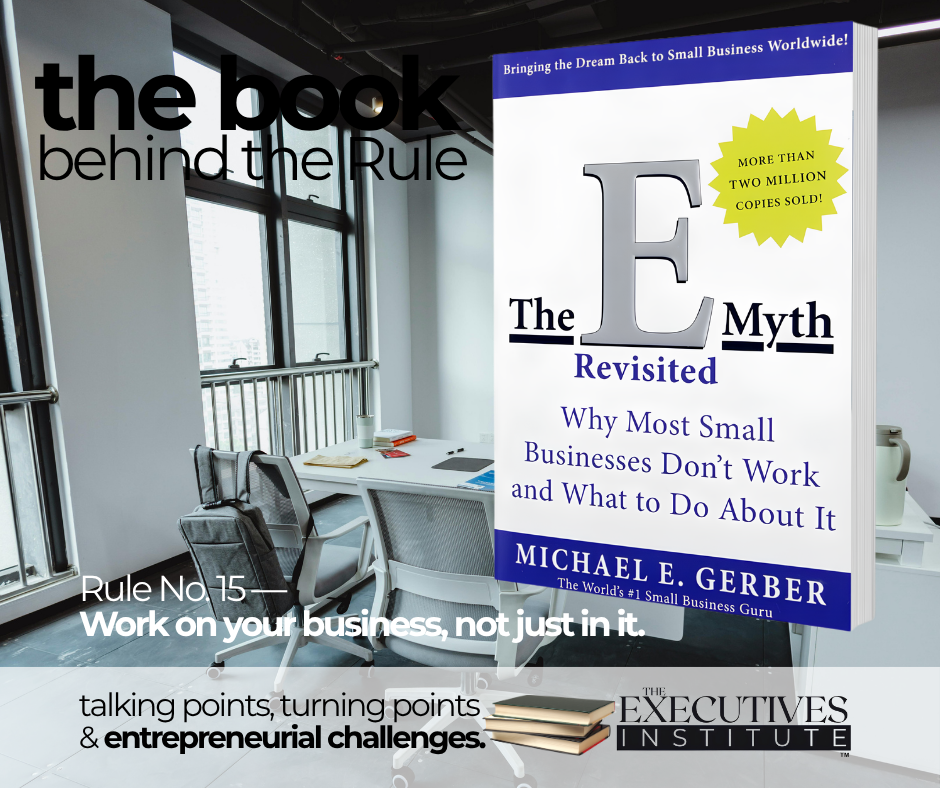
The hard truth 📌If everything still depends on you, your business is unsellable.
Rule No. 16 📔 Time is your most precious asset.

The Principle: If your entire day is spent putting out fires, answering every question, and chasing other people’s priorities, you’re letting the business run you. Protect time for the work that matters most. Your calendar is a record of where your life is going. Spend it wisely.
✍️ Ask yourself: Am I spending enough time on activities that move my business forward, or too much reacting to other people’s urgencies?
👥 Insights & Reviews Published: 0
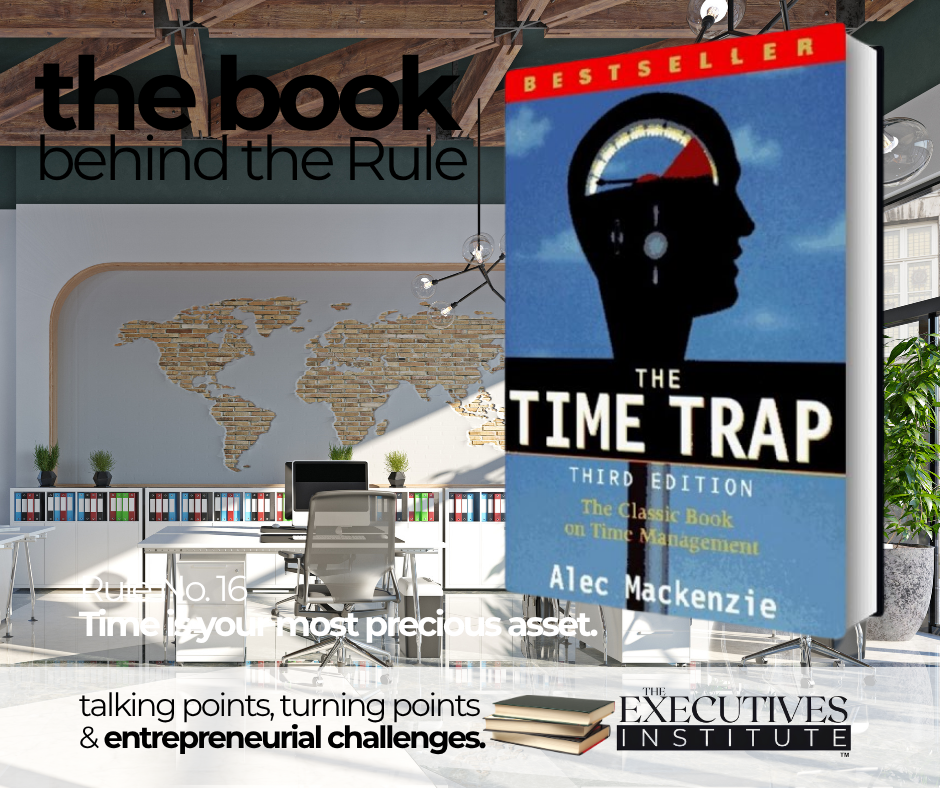
The hard truth📌Money comes back. People can be replaced. Time doesn’t.
Rule No. 17 📔 Speed matters.

The Principle: You don’t have to have everything figured out before you act. Make the best decision you can with what you know, then see what happens. If it doesn’t work, change it. A good decision today is often worth more than a perfect decision six months from now. When in doubt, make a move.
✍️ Ask your team: Do our employees feel empowered to take smart risks, or are they trained to avoid mistakes at all costs?
👥 Insights & Reviews Published: 0
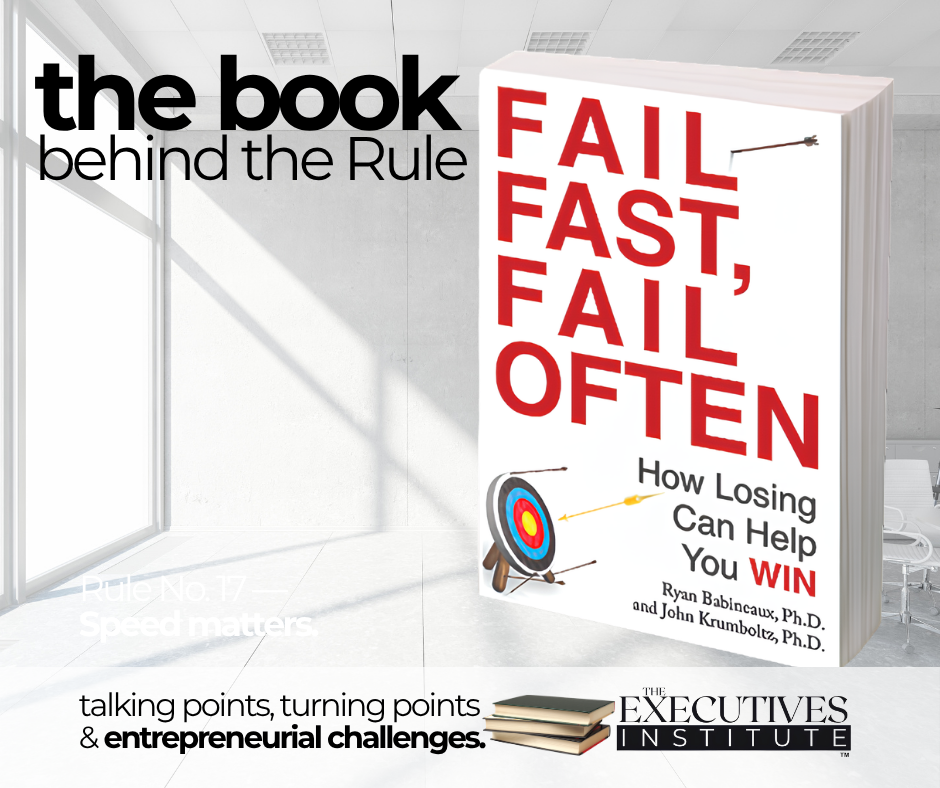
The hard truth 📌The market doesn’t wait for you to be ready.
Rule No. 18 📔 Your calendar reflects your priorities.

The Principle: Don’t tell me what matters to you. Show me your calendar. Where you spend your time is where your priorities really are. Your calendar is either building proximity to your customers, or distance from them.
✍️ Answer honestly: If you look back at a period when your business was struggling, what did your calendar look like at the time?
👥 Insights & Reviews Published: 0
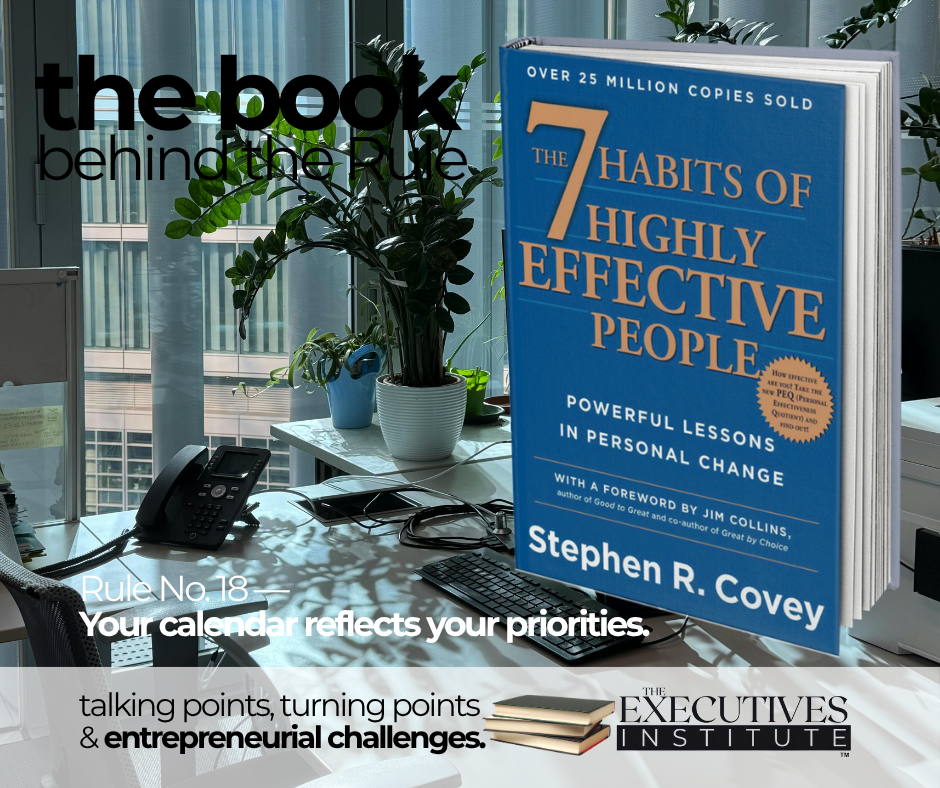
The hard truth📌 No one can “make time”. We all have to “protect time”.
Rule No. 19 📔 Stop doing what doesn’t work.

The Principle: The habits, strategies, and mindsets that helped you reach your current level often become blind spots as you grow. Knowing when to stop, take a hard look, and change course is one of the toughest jobs you’ll do as a leader.
✍️ Ask your team: What areas are we holding on to what used to work, even though it hasn’t worked for quite awhile?
👥 Insights & Reviews Published: 1
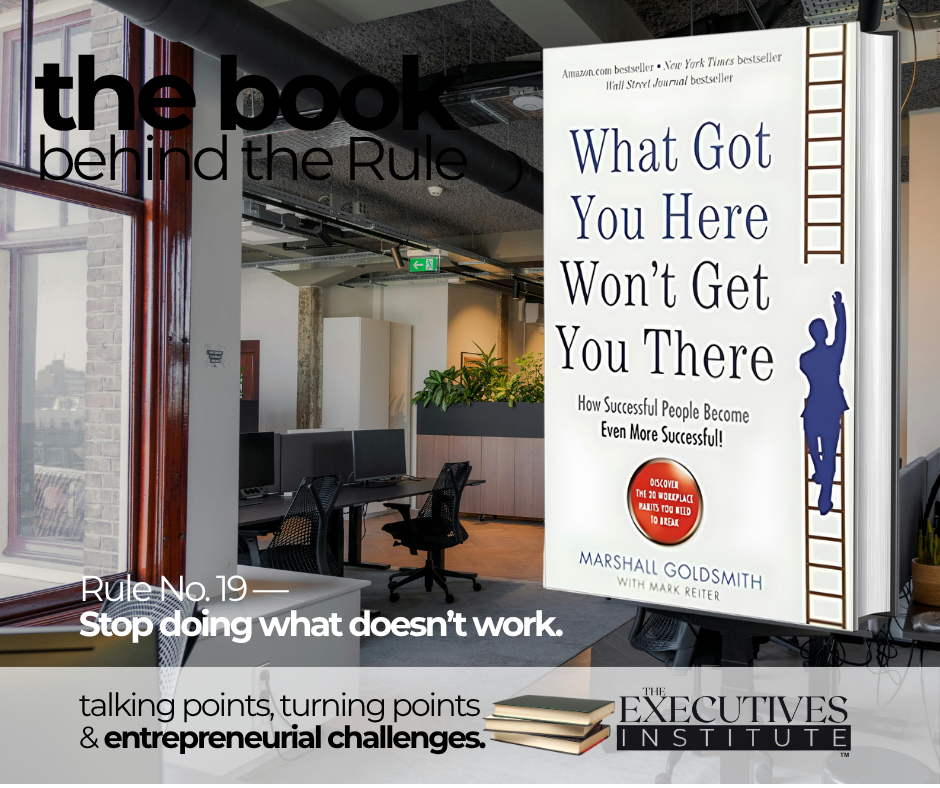
The hard truth📌Sometimes the best move is to stop.
Rule No. 20 📔 Cash flow is king.

The Principle: Know when money is coming in, know when bills are due, and know where your cash is getting tied up or wasted. Keep enough cash on hand to handle a slow month, a bad customer, or a surprise expense. Cash flow isn’t an accounting issue. It’s a survival issue.
✍️ Here’s my question: Where are you leaking more cash —slow invoicing, bad pricing, or accounts receivable?
👥 Insights & Reviews Published: 0
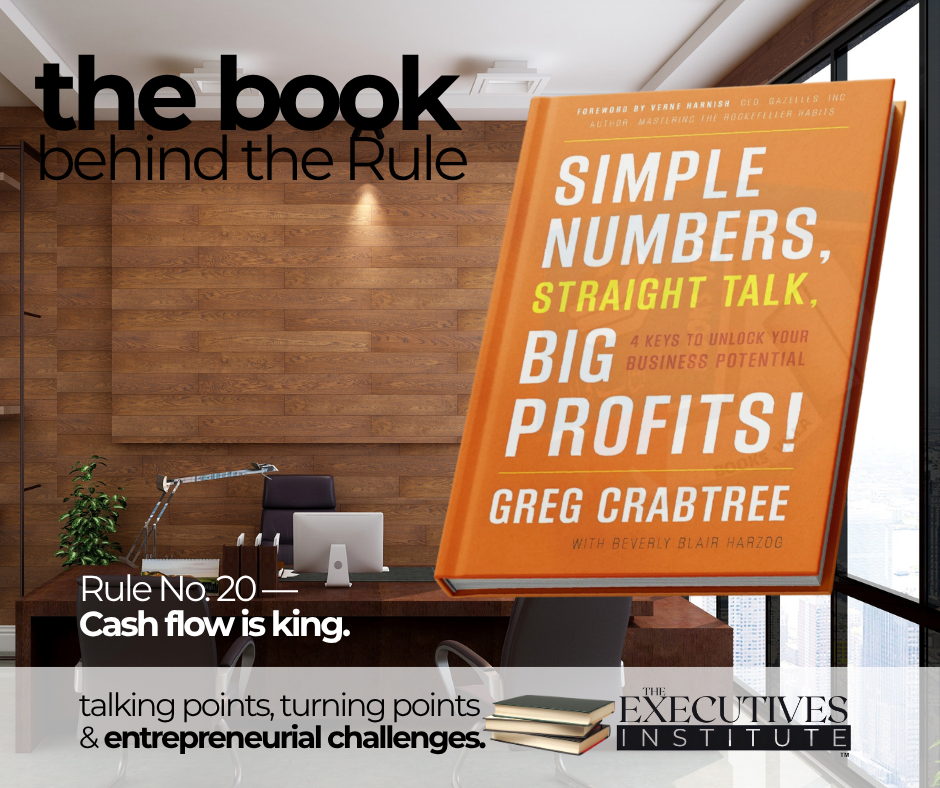
The hard truth📌Profitable businesses go broke every year.
Rule No. 21 📔 Clarity creates confidence.

The Principle: Your team should know what you do, who you serve, and what matters most. If you can’t explain that in a few simple sentences, you probably aren’t clear on it yourself. Clear direction gives your people the confidence to make decisions, move fast and move together, without waiting for you.
✍️ Answer honestly: Could every person on our team explain our company strategy in one minute? Why not?
👥 Insights & Reviews Published: 0
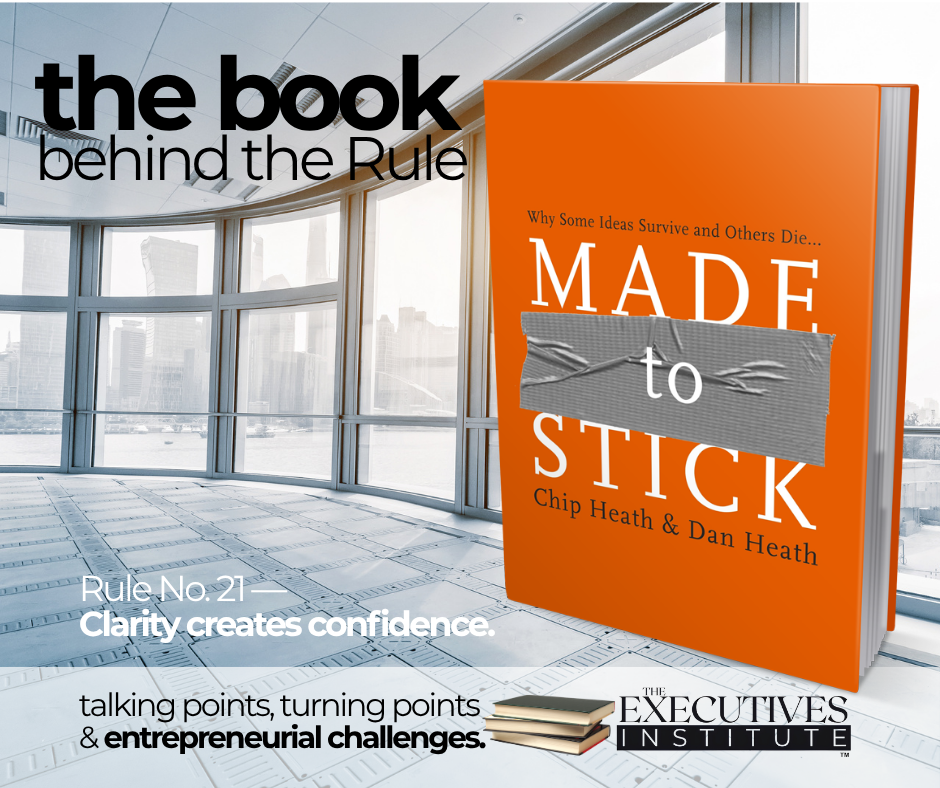
The hard truth 📌 If you can’t explain it simply, neither can your team.
Rule No. 22 📔 Hire slow, fire fast.

The Principle: Don’t hire someone just because you need a body in the seat. Take your time, check their character, and make sure they can do the job. And when you know you’ve made a bad hire, don’t keep hoping it will get better. Deal with it.
✍️ Ask yourself: Am I keeping someone on the team who I know isn’t working out? Why haven’t I made the call?
👥 Insights & Reviews Published: 0
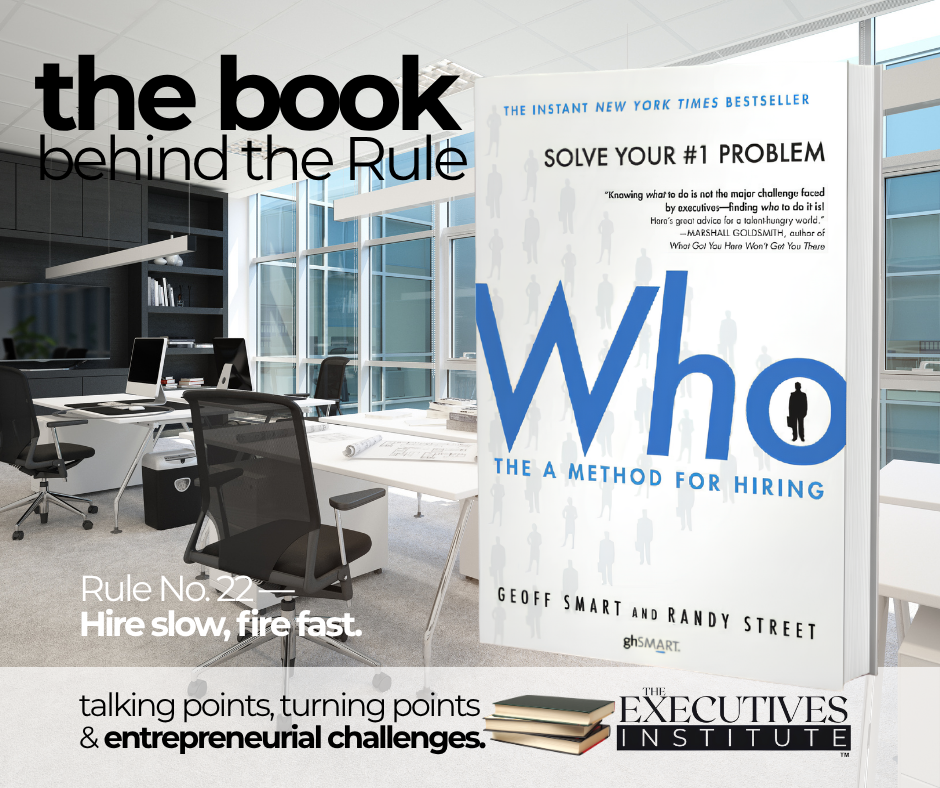
The hard truth📌 One bad hire can hurt your business for years.
Rule No. 23 📔 Simplicity scales.

The Principle: Keep your business as simple as you can. Make things easy to understand, easy to remember, easy to teach and repeat. If a process doesn’t need to be that complicated, simplify it. The simpler the business, the easier it is to run and grow.
✍️ Ask your team: What have we made harder than it needs to be? What decisions are slowed down because people don’t know the rules?
👥 Insights & Reviews Published: 0
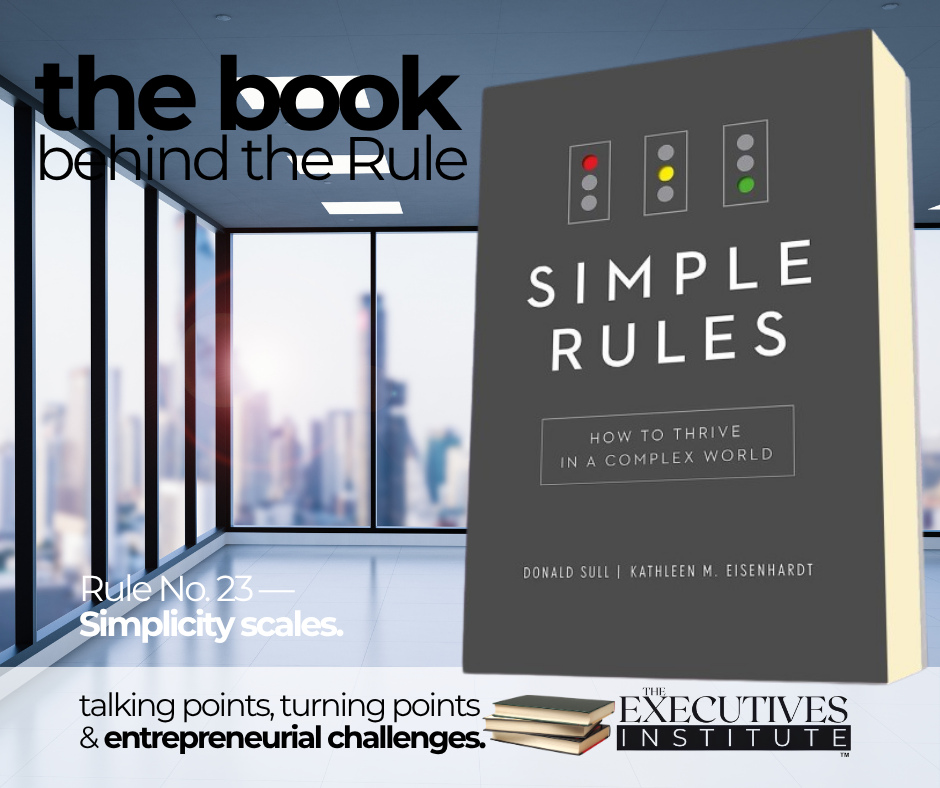
The hard truth📌 If it takes a whiteboard and a translator to explain, it won’t scale.
Rule No. 24 📔 Own your mistakes.

The Principle: Everyone makes mistakes. Good leaders take responsibility, fix what they can, and learn from what happened. You can’t make excuses and make progress at the same time. If you want your people to own their mistakes, you have to own yours first.
✍️ Ask yourself: If my team handled mistakes the way I do, would my business be stronger or weaker?
👥 Insights & Reviews Published: 1
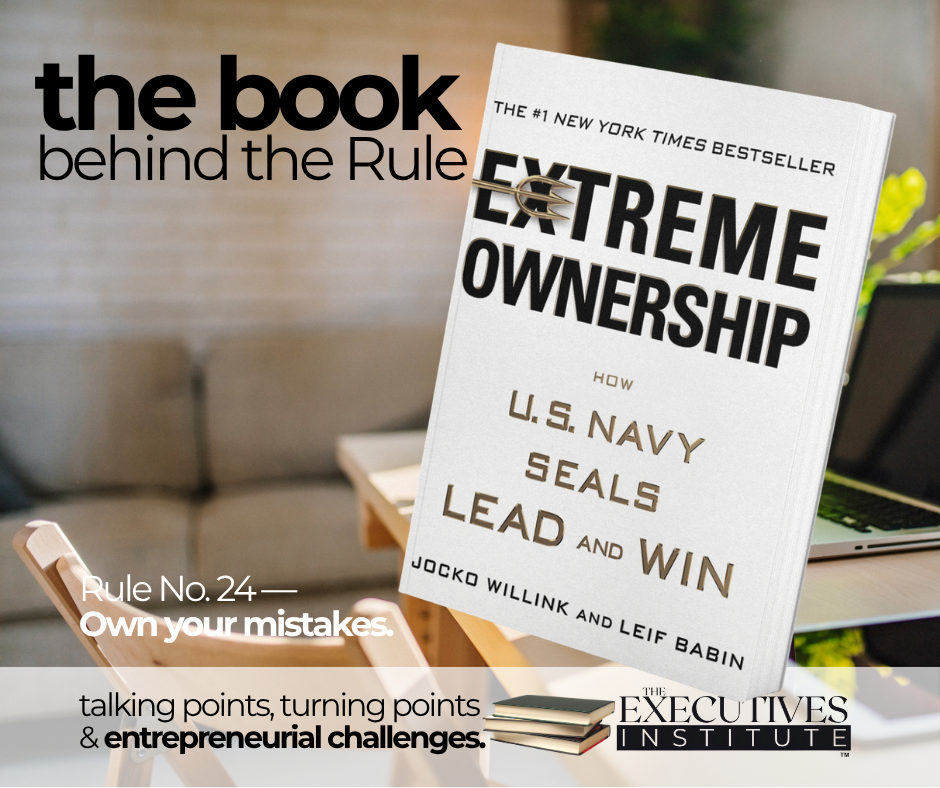
The hard truth📌 Own our mistakes and build trust. Hide them and lose it.
Rule No. 25 📔 Ask Better Questions.

The Principle: Good questions make people think. They uncover problems, challenge bad assumptions, and often lead to better decisions. Don’t be afraid to ask the question nobody else wants to ask. A good question can save you a lot more money than a bad answer.
✍️ Here’s my question: Which is the standard in your organization —faster answers or better questions?
👥 Insights & Reviews Published: 0
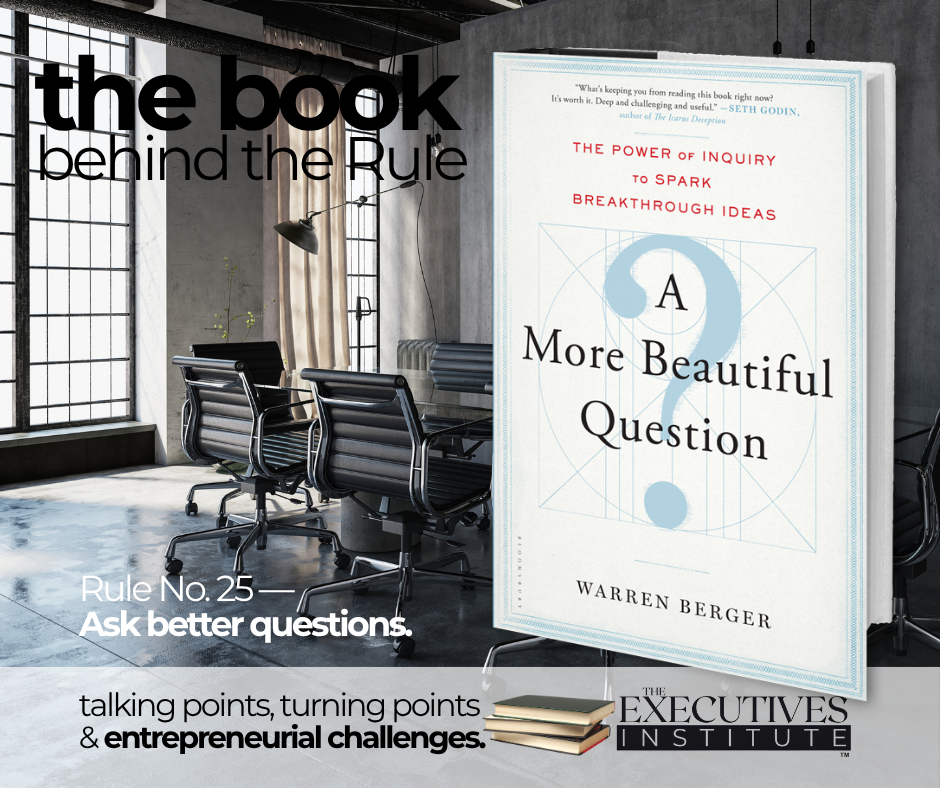
The hard truth📌 Most of us get too busy giving answers to ask the right questions.
Rule No. 26 📔 Define It. Measure It. Achieve It.

The Principle: Don’t say, “We need more sales,” or “We need to improve customer service.” Say exactly what you want to improve and put a number on it. Then track it and hold yourself and your team accountable. What gets measured gets attention. What gets attention gets done.
✍️ Ask yourself: Where are we relying on vague goals, or “gut feel” instead of a clearly defined measure of success?
👥 Insights & Reviews Published: 0
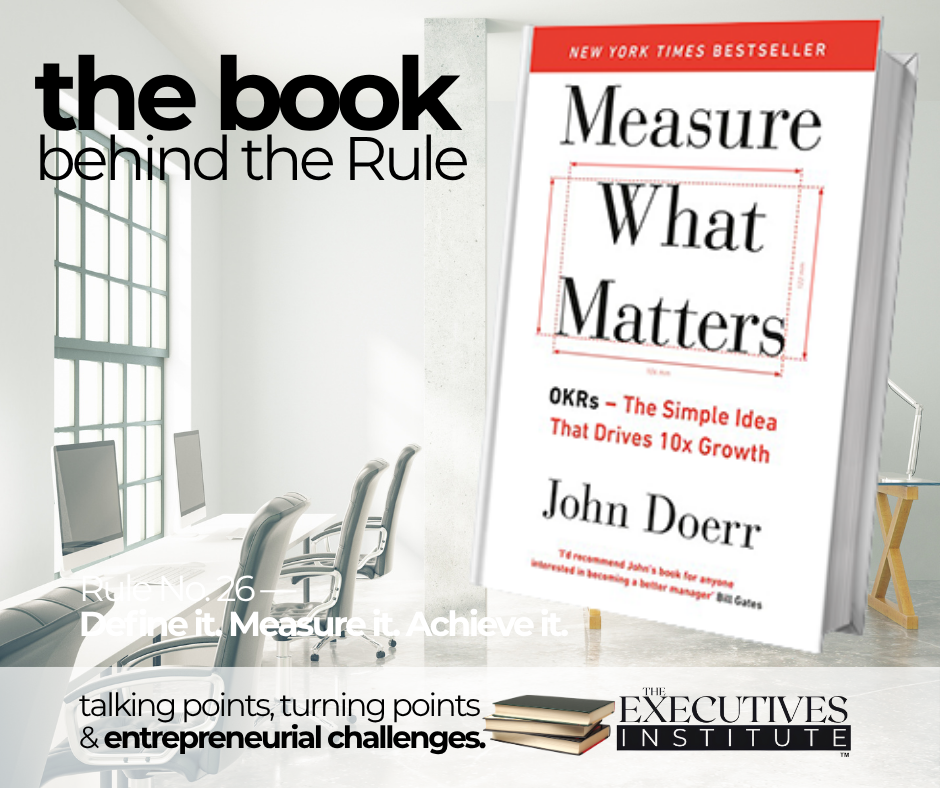
The hard truth📌 What gets measured gets managed, and what gets ignored gets worse.
Rule No. 27 📔 Do The Hard Things First.

The Principle: Make the tough call. Have the uncomfortable conversation. Fix the problem you’ve been avoiding. Do the hard work first. Don’t let easy work fool you into thinking you’re making progress. The hard stuff is the stuff that moves the business forward.
✍️ Here’s my question: What is your “frog” right now —the tough, high-leverage task you’ve been putting off? What’s the cost to your organization or your team?
👥 Insights & Reviews Published: 0
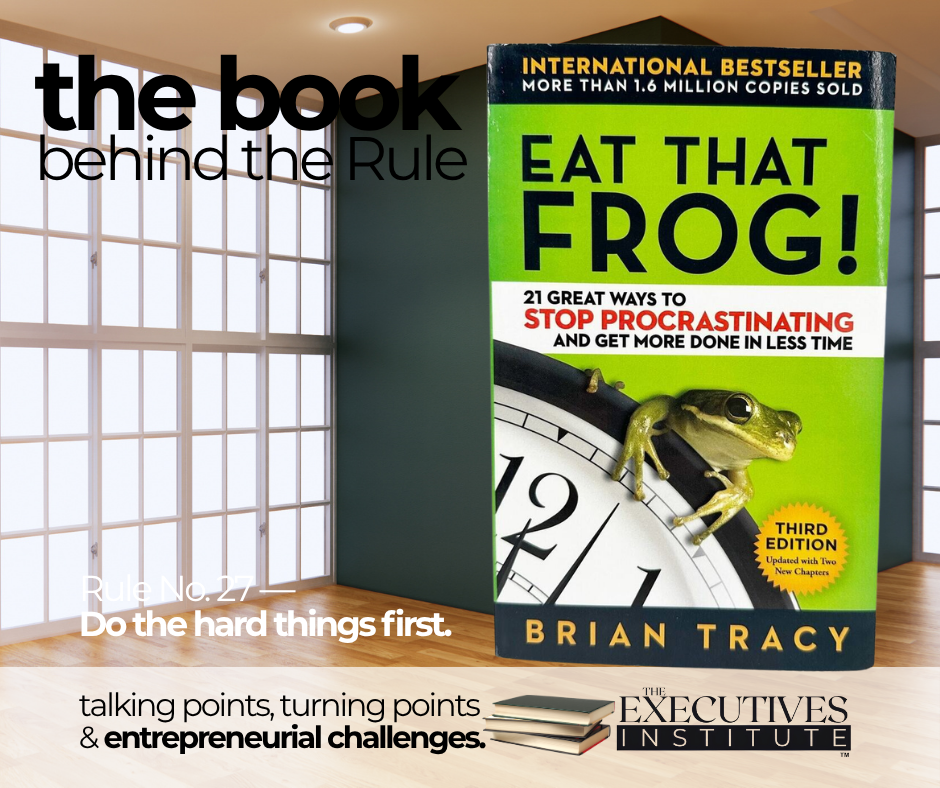
The hard truth📌 The thing you keep pushing to tomorrow is probably running your business.
Rule No. 28 📔 Learn by doing.

The Principle: We learn things by doing them, that we simply can’t learn by reading about them. You will make mistakes. You will get things wrong. That’s part of it. Get to work, learn from what happens, and get better the next time.
✍️ Ask your team: Where are we “learning” instead of “doing”? What next steps should we take to move into action?
👥 Insights & Reviews Published: 0
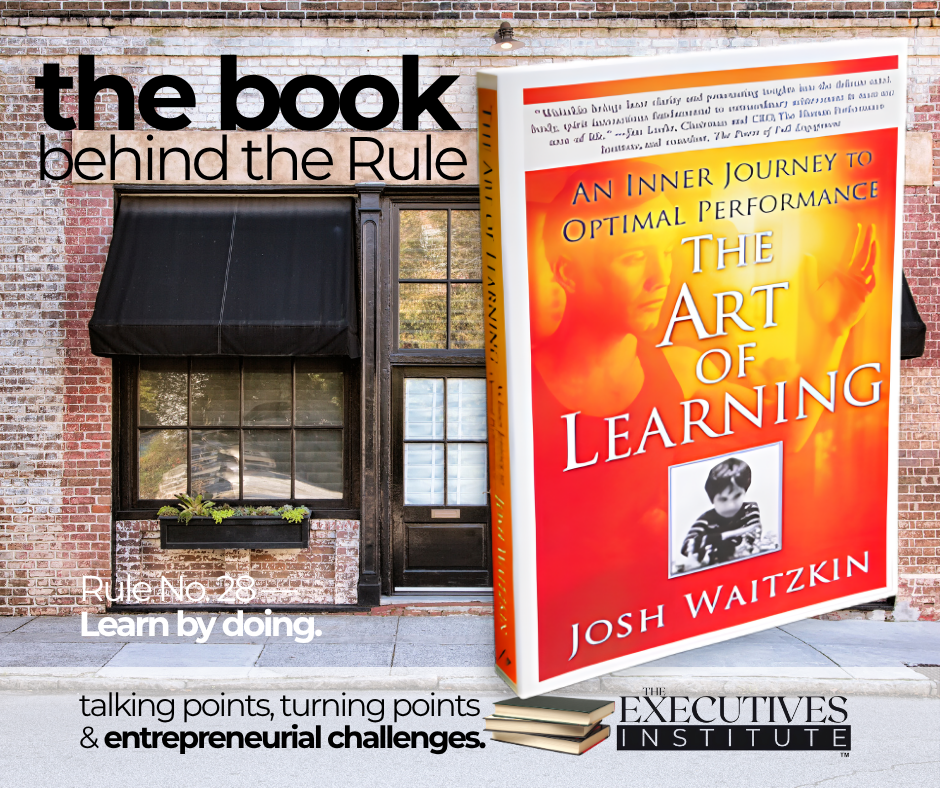
The hard truth📌 The classroom prepares us, but the work educates us.
Rule No. 29 📔 Protect your downside.

The Principle: This Rule doesn’t mean that you should avoid risk. It means that you need to know how much you can afford to lose. Protect your cash, limit your losses, and think about what happens if things don’t go as planned. Losses can be more damaging than missed opportunities.
✍️ Ask yourself: What’s the worst-case scenario here —and can we survive it? How much could we afford to lose?
👥 Insights & Reviews Published: 0
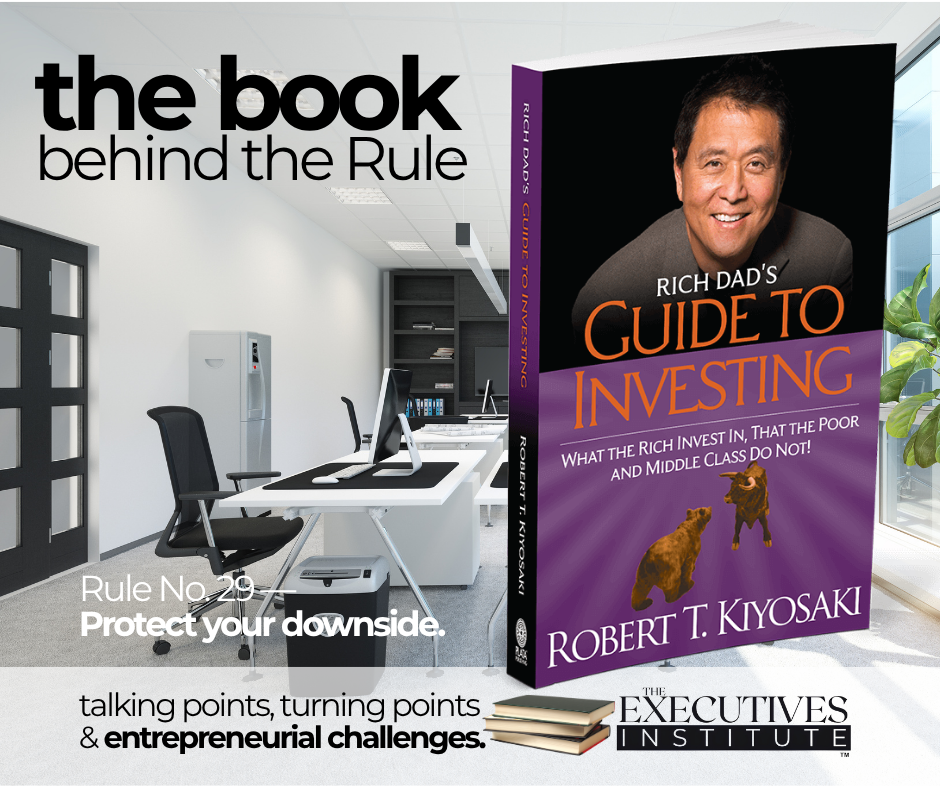
The hard truth📌Think about what could go wrong before celebrating what could go right.
Rule No. 30 📔 Profit Is Not a Dirty Word

The Principle: Profit shouldn’t be what is left over at the end of the year. Build it into the business from the start. Know what you need to make, price your products accordingly, control your costs, and protect your margin. A business that doesn’t make money isn’t a business for long.
✍️ Ask yourself: How would this business change if we treated profit as a fixed expense, instead of a leftover?
👥 Insights & Reviews Published: 0
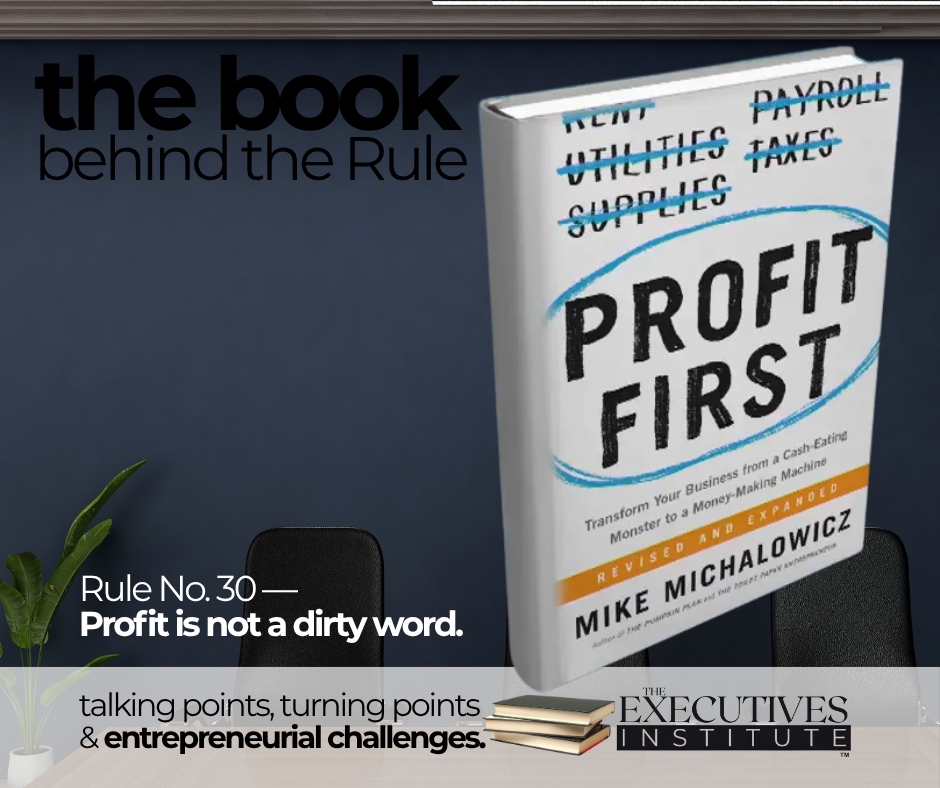
The hard truth📌 Profit isn’t greed. It’s what keeps our businesses alive.
Rule No. 31 📔 Delegate Outcomes, Not Tasks.

The Principle: Don’t hand someone a list of things to do. Give them a result to own. Transfer the responsibility. Tell them what needs to be accomplished, make sure they have what they need, and let them decide how to get it done.
✍️ Ask yourself: Am I giving people on my team responsibility for results, or just a list of things to do?
👥 Insights & Reviews Published: 0
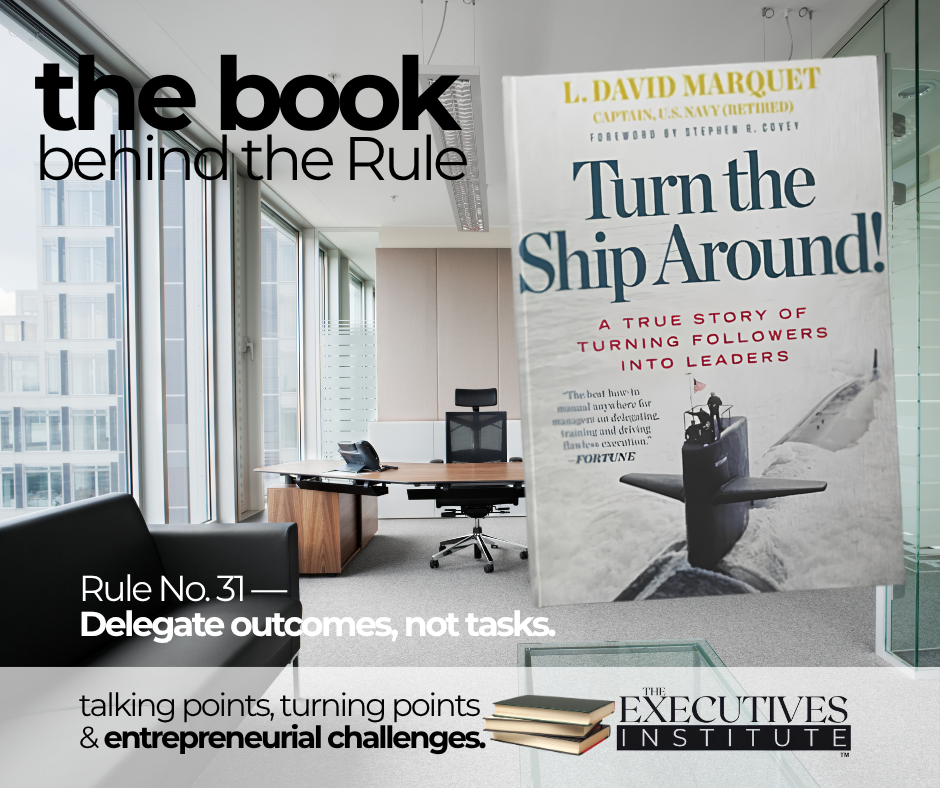
The hard truth📌 When they own the outcome, they don’t wait for instructions.
Rule No. 32 📔 Don’t Scale Chaos

The Principle: Get the business working right before you try to make it bigger. Fix broken processes. Make sure people know who is responsible for what. Don’t depend on one person to remember how everything works. What is a headache with ten employees can become a disaster with a hundred. Before you scale, get your house in order.
✍️ Ask your team: What parts of our business only work because one person knows how to make them work? How can we change that?
👥 Insights & Reviews Published: 0
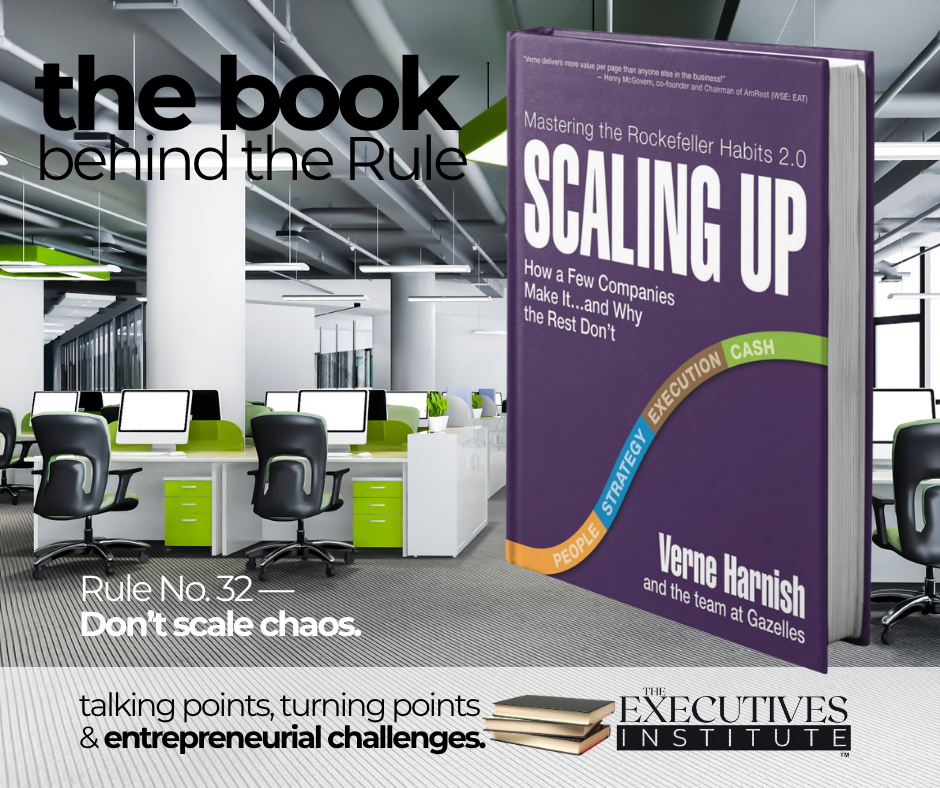
The hard truth📌 Growth makes everything bigger, including (and especially) our problems.
Rule No. 33 📔 Processes Protect Your Time.

The Principle: Every problem you solve over and over is a chance to build a better process. Do the work once to create the process, then stop doing the same work again and again. Good processes save time and prevent mistakes. They make sure the job gets done the right way, even when you’re not there.
✍️ Ask your team: What issues do we solve over and over again, when a simple checklist could fix it or speed it up?
👥 Insights & Reviews Published: 0

The hard truth📌 If something happens more than twice, we should create a process.
Rule No. 34 📔 Great Businesses Outlive Great Products.

The Principle: Don’t build the company around what you’re selling today. Build it around how you serve your customers, how you treat your people, and what you stand for. Products have a shelf life. Good companies learn how to replace them. Your best product should be a chapter in the story, not the whole story.
✍️ Ask your team: If our #1 product disappeared tomorrow, what systems or core values would make our company worth keeping?
👥 Insights & Reviews Published: 0
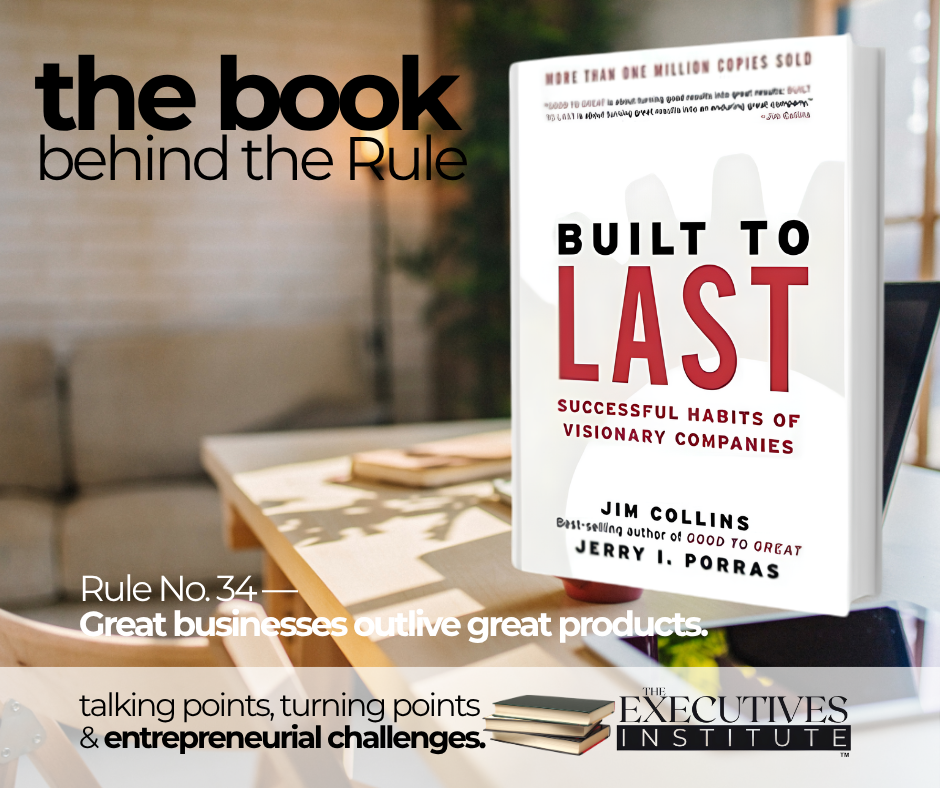
The hard truth📌 One great product can make you successful, but it can’t be your whole business.
Rule No. 35 📔 Raise the Bar, Then Raise It Again.

The Principle: Don’t let success make you comfortable. When you reach a goal, set a new one, a higher one. When the team gets good at something, find a way to challenge them and make them better. Yesterday’s big performance should become today’s normal, not tomorrow’s excuse.
✍️ Ask your team: A new competitor comes to town tomorrow, where do they see vulnerability with us? Where do they beat us?
👥 Insights & Reviews Published: 0
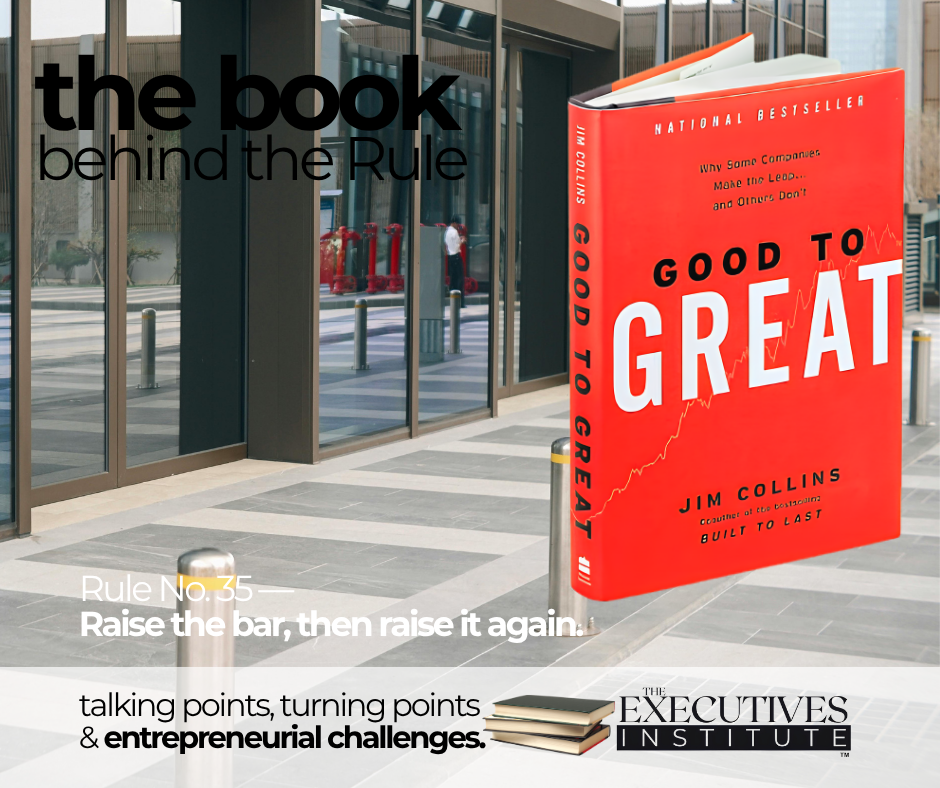
The hard truth📌Success has a way of making us soft.
Rule No. 36 📔 Build a Business That Runs Without You.

The Principle: A business that depends on the owner isn’t as strong as it looks. If you want to grow, sell, or simply have a life outside the business, you need to build something that can run without you. Good leadership isn’t about being needed for everything. It’s about making sure everything works when you’re not there.
✍️ Ask yourself: If I step away for 30 days, which parts of this business would stop, which slow down, which will fail completely?
👥 Insights & Reviews Published: 0
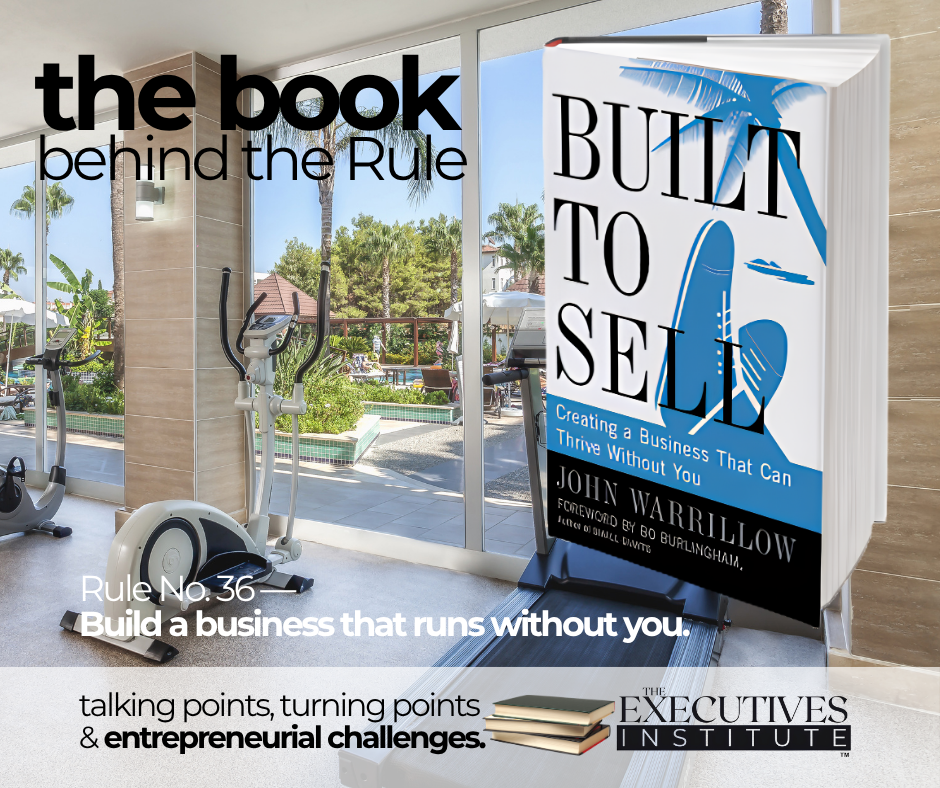
The hard truth📌The real test is what happens when we’re not in the room.
Rule No. 37 📔 Build trust before selling.

The Principle: Trust makes business easier. Customers listen, employees follow, and partners work better together when they trust you. You can’t talk someone into trusting you. You have to earn it. Do that first, and the selling gets a whole lot easier.
✍️ Ask your team: Where have we focused too much on “closing” and too little on “earning”? How could we make trust-building a core part of our sales process?
👥 Insights & Reviews Published: 0
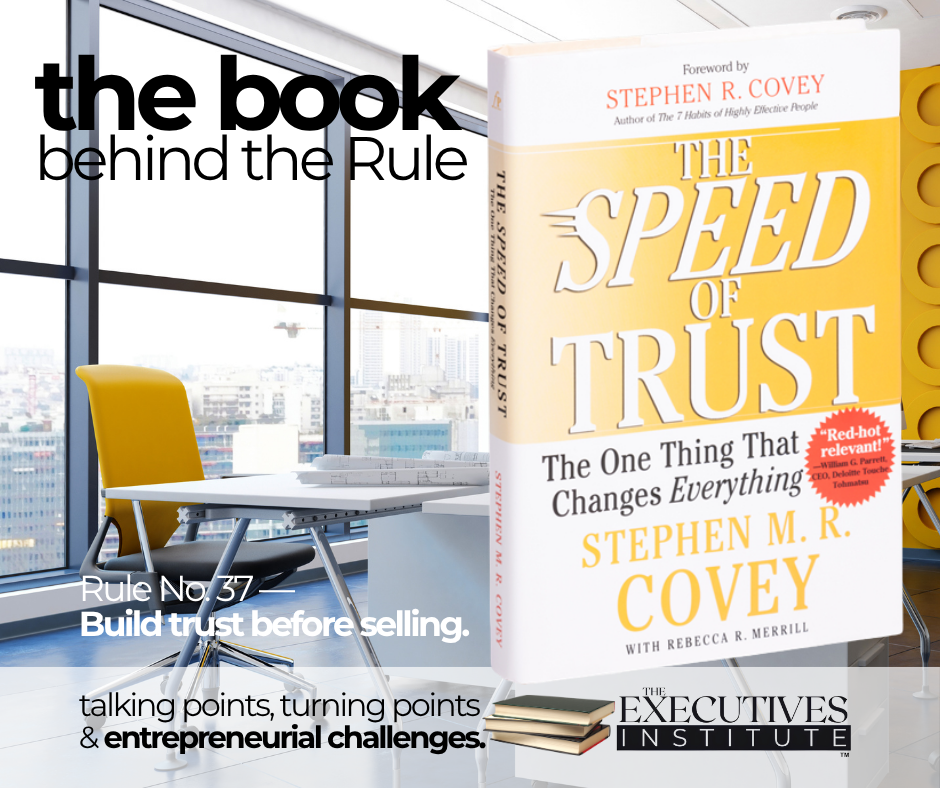
The hard truth📌 The fastest way to lose a sale is to ask for it before we’ve earned it.
Rule No. 38 📔 Build once, sell forever.

The Principle: Look for ways to turn your knowledge, work, or ideas into something you can sell more than once. A product, a system, a license, a course, or recurring service can keep producing value without starting from scratch every time. Build it once. Make it repeatable. Sell it again.
✍️ Ask your team: What happens to our revenue if we shut off our sales pipeline tomorrow? How do we fix it?
👥 Insights & Reviews Published: 0
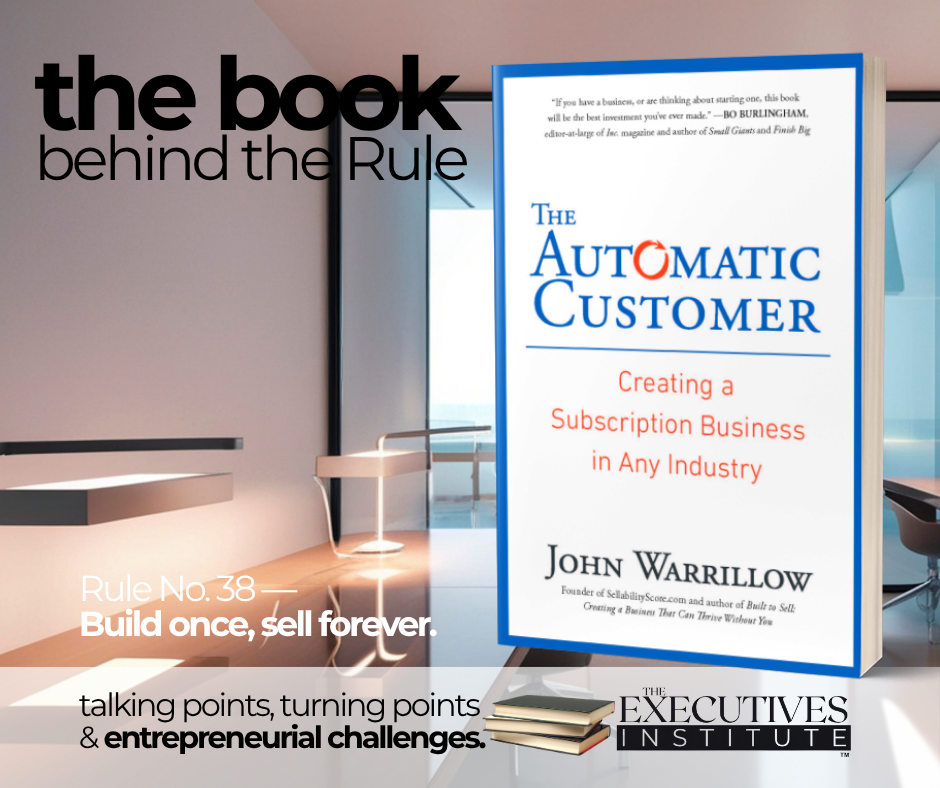
The hard truth📌 Trading your time for money has a ceiling: the number of hours in a day.
Rule No. 39 📔 Your network is your net worth.

The Principle: You don’t build a strong network by collecting business cards or adding people on LinkedIn. You build it by being useful, keeping your word, helping people, and staying in touch. Build relationships before you need them. When the day comes that you need a hand, you’ll find out pretty quickly who your real network is.
✍️ Ask yourself: If I needed a favor today, who in my netowork would actually take my call…and who wouldn’t?
👥 Insights & Reviews Published: 1
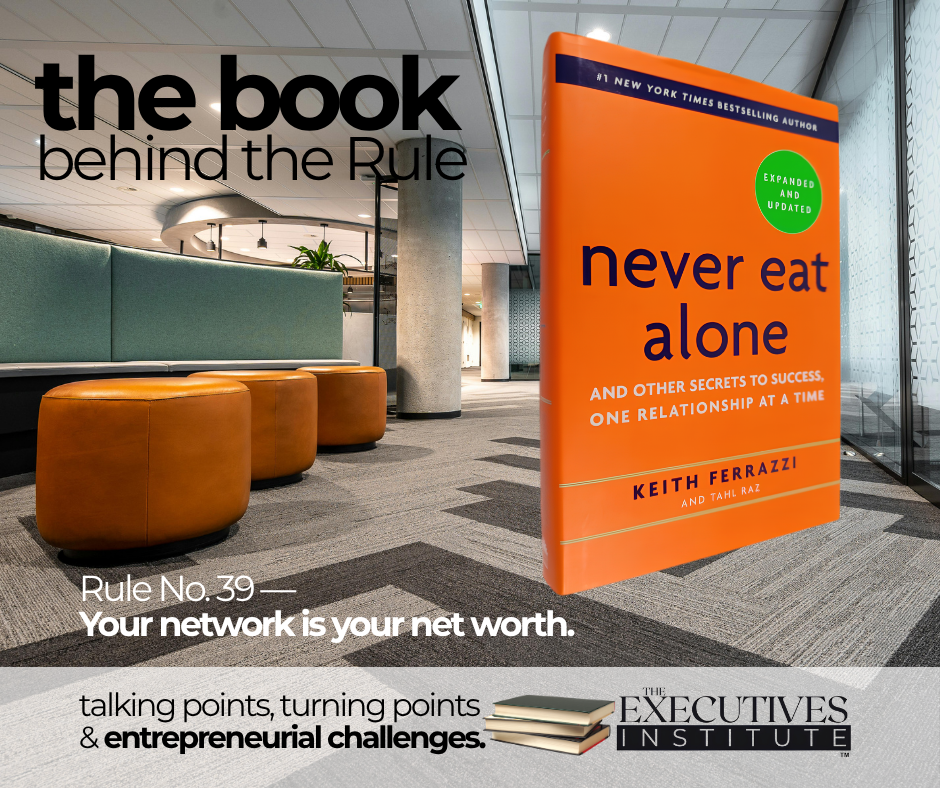
The hard truth📌 The most valuable currency in business is knowing who will take our call.
Rule No. 40 📔 Sell the vision, not just the product.

The Principle: Don’t just tell people what you’re selling. Tell them where you’re going and what you’re trying to change. Customers, employees, and partners are more likely to stick with you when they believe in what you’re building.
✍️ Ask your team: When a customer walks away, do they leave understanding why we exist, or just what we sell?
👥 Insights & Reviews Published: 0
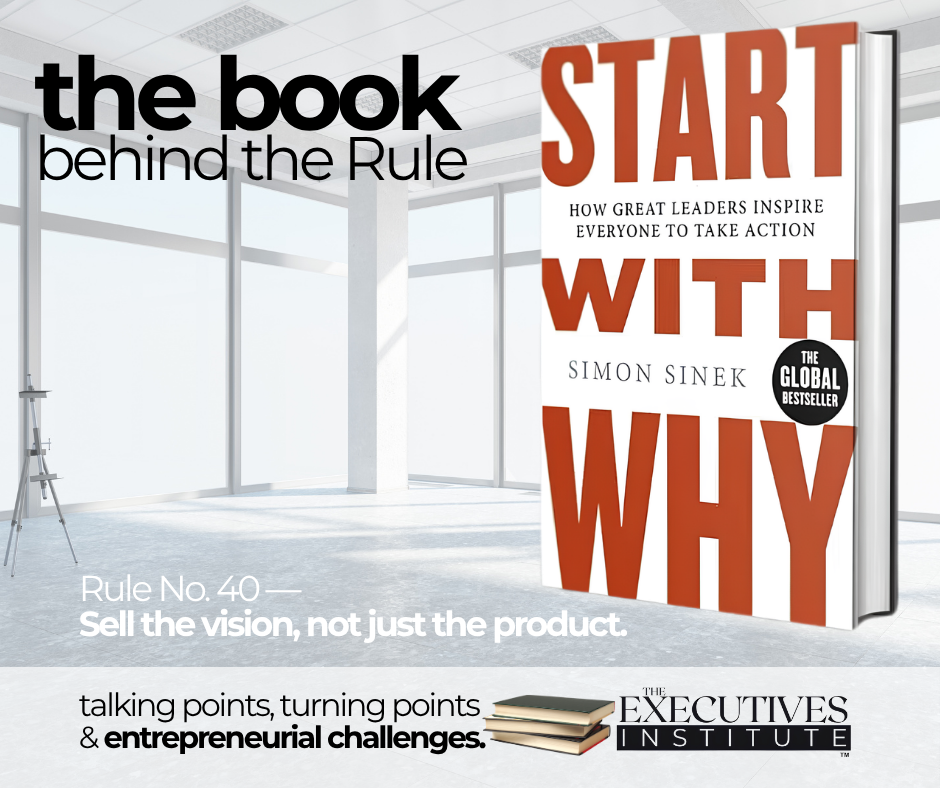
The hard truth📌 Features get compared. Vision gets followed.
Rule No. 41 📔 Reputation compounds.

The Principle: You already have a reputation. The question is whether it’s working for you or against you. People remember how you do business. They remember whether you kept your word, treated people fairly, and stood behind your work.
✍️ Ask your team: What do our customers, employees, and competitors say about us when we’re not in the room?
👥 Insights & Reviews Published: 0
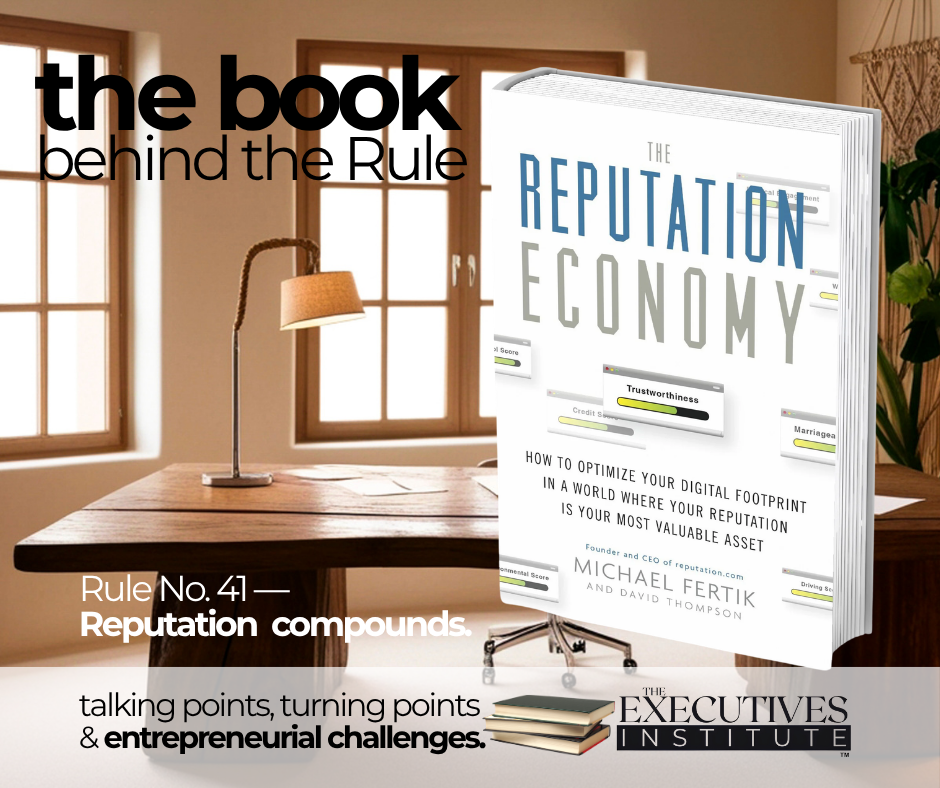
The hard truth📌 Our reputation is an asset, whether we manage it or not.
Rule No. 42 📔 Feedback is a gift.

The Principle: Most people say they want feedback…until they hear something they don’t like. Good leaders listen anyway. Don’t get defensive. Don’t make excuses. Listen. The truth may sting, but it gives you a chance to fix something before it costs you customers, employees, or money.
✍️ Ask yourself: Am I hearing the truth, or just what’s easiest to accept? What blind spot might someone be trying to show me that I’ve been ignoring?
👥 Insights & Reviews Published: 0
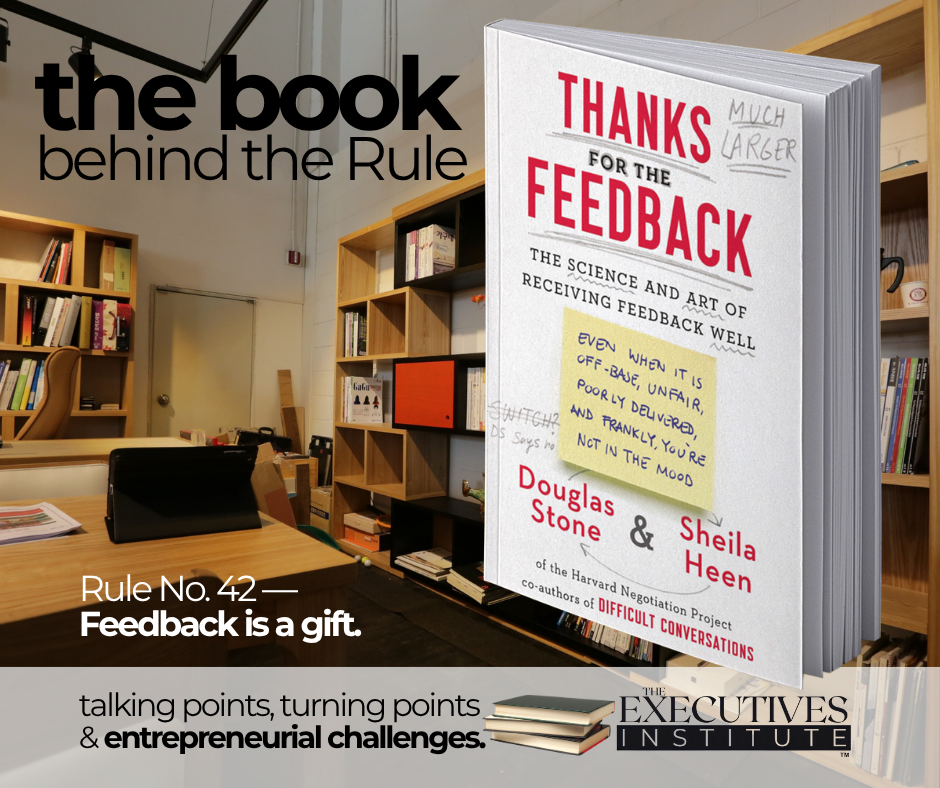
The hard truth📌 Most of us say we want feedback, until we actually get it.
Rule No. 43 📔 Run your race.

The Principle: Learn from your competitors, but don’t become obsessed with them. Their path is not your path. Build the business you want to build, serve your customers your way, and measure yourself against the goals that matter to you. You don’t have to beat everyone else. You have to make your business better than it was yesterday.
✍️ Ask your team: How much of what we’re doing is because it’s right for our business, and how much is because our competitors are doing it?
👥 Insights & Reviews Published: 0

The hard truth📌 We can’t win our race if we’re running someone else’s.
Rule No. 44 📔 Own your edge.

The Principle: Every business has something that makes it different. Maybe it’s your product, your service, your people, your experience, or simply the way you do business. Know what your edge is, and don’t be afraid to lean into it. You don’t have to look like everyone else to win. You have to give people a reason to choose you.
✍️ Ask your team: What makes us different? What can we do better than anyone? And, are we leaning into that, or trying to be more like everyone else?
👥 Insights & Reviews Published: 0

The hard truth📌 Our greatest advantage is usually the thing we do that others won’t.
Rule No. 45 📔 Protect your mental bandwidth.

The Principle: Your attention is limited. Every interruption, meeting, notification, and unnecessary problem takes a piece of it. Protect time to think, plan, and work without interruption. You don’t have to respond to everything right now. Sometimes the most productive thing you can do is shut the door, put the phone down, and think.
✍️ Ask yourself: What would it look like if I protected my personal time the way I protect my business’ money?
👥 Insights & Reviews Published: 0
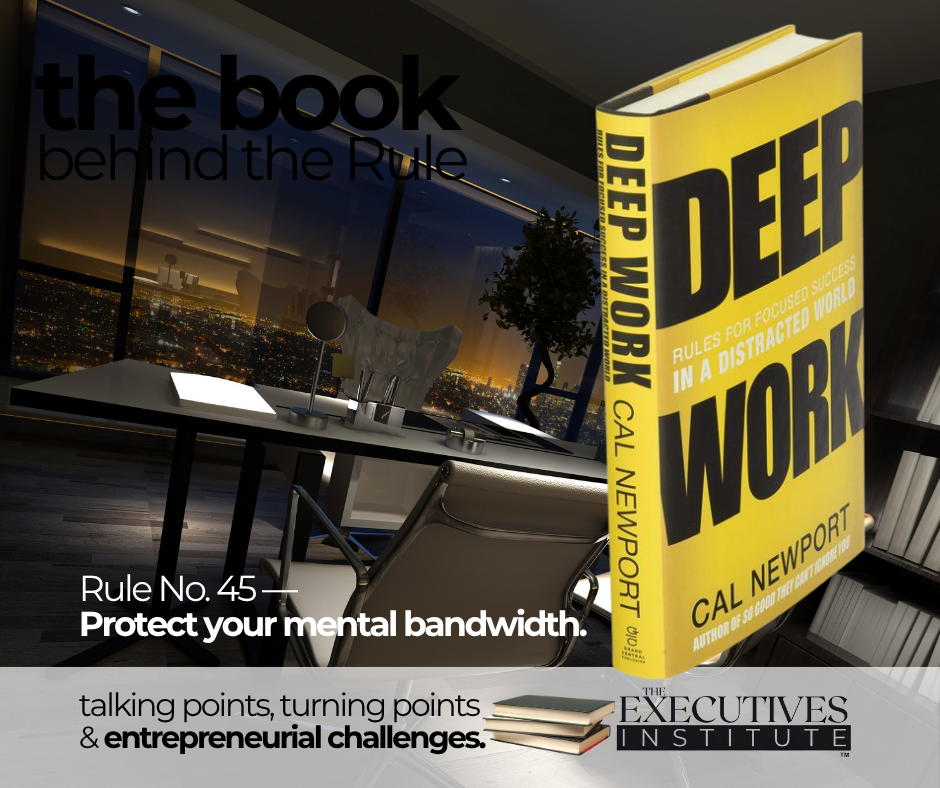
The hard truth📌 We can’t lead effectively when our minds are being pulled in ten directions.
Rule No. 46 📔 Don’t outgrow your values.

The Principle: The values that guided you when the company was small should still guide you when it’s big. Your values aren’t slogans on a wall. They’re the lines you’re not willing to cross. Culture is not what you say it is. It’s what you tolerate, what you reward, and what you do when no one is watching.
✍️ Ask yourself: Who am I becoming in the process of running this business?
👥 Insights & Reviews Published: 1
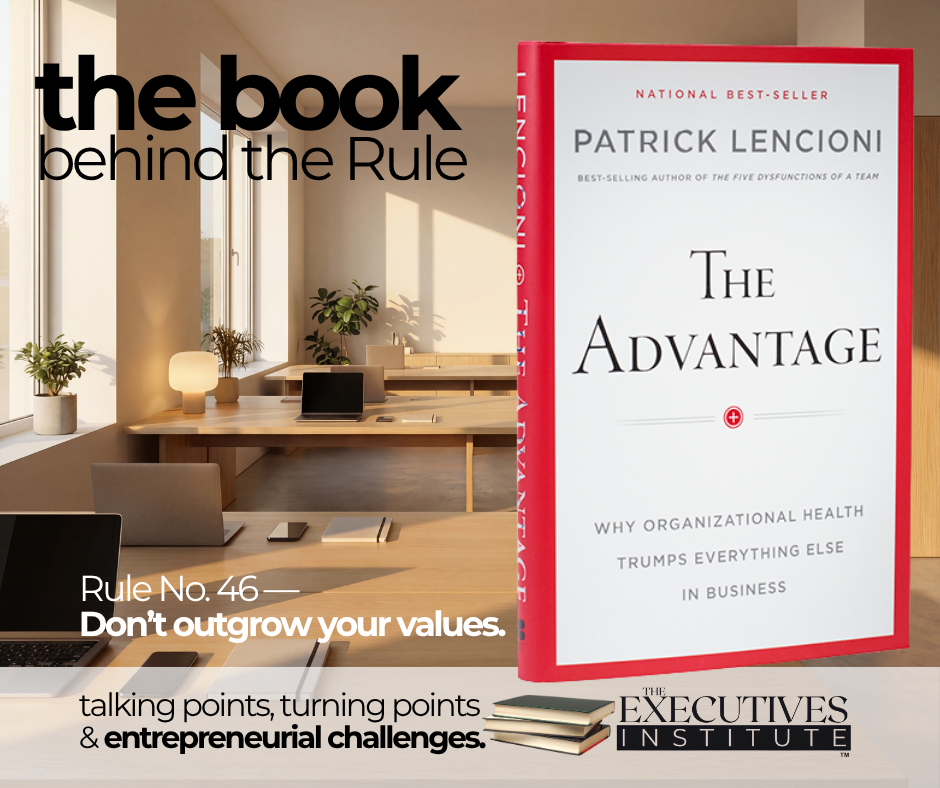
The hard truth📌 Success will test our values more than failure ever will.
Rule No. 47 📔 The bottleneck is at the top.

The Principle: The leader sets the tone. Your people will follow what you expect, what you inspect, and what you allow. If you want better people, better decisions, and better results, start by looking at what you’re doing (or not doing) as the leader. The buck stops with you.
✍️ Ask yourself: Am I part of the problem I’m blaming on others? What habits can I change to unblock my team?
👥 Insights & Reviews Published: 0
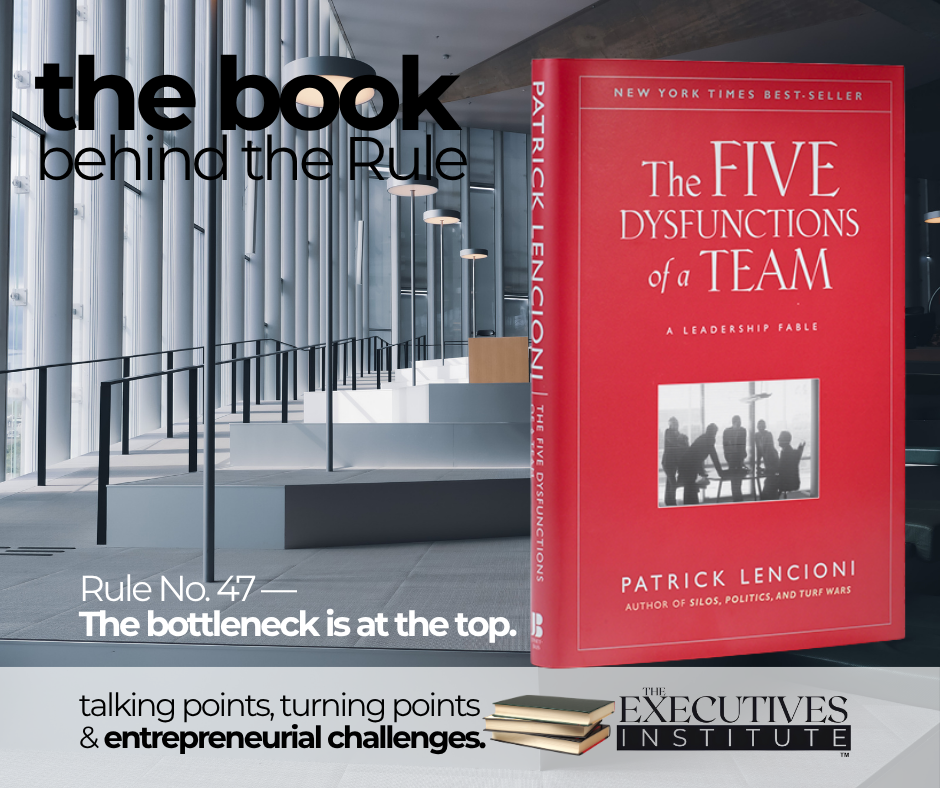
The hard truth📌 The real choke point is almost always at the top. Look in the mirror.
Rule No. 48 📔 Give more than you take.
The Principle: Business isn’t just about what you can get. It’s about what you can give. Help your customers. Teach your people. Make the introduction. Share what you’ve learned. Bring something of value to every relationship you can. You don’t have to get something back every time. Give more than you take, and let your reputation do the rest.
✍️ Ask yourself: Who could I help today without expecting anything in return?
👥 Insights & Reviews Published: 1
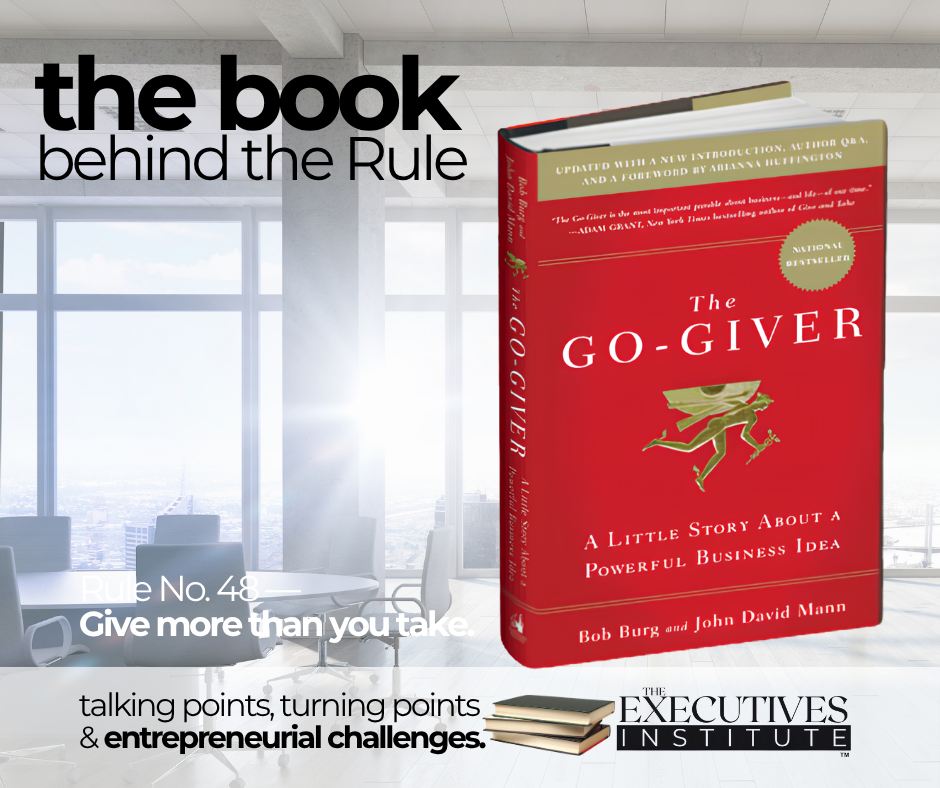
The hard truth📌 Give your time. Don’t keep score.
Rule No. 49 📔 People over processes.

The Principle: You need good systems, but don’t let the systems become more important than the people using them. Hire people you trust. Give them clear expectations. Then give them room to think, make decisions, and do their jobs. A handbook can’t replace good judgment, and another rule isn’t going to fix poor leadership.
✍️ Ask your team: Are our processes helping people do their jobs, or keeping them from using their judgment?
👥 Insights & Reviews Published: 1
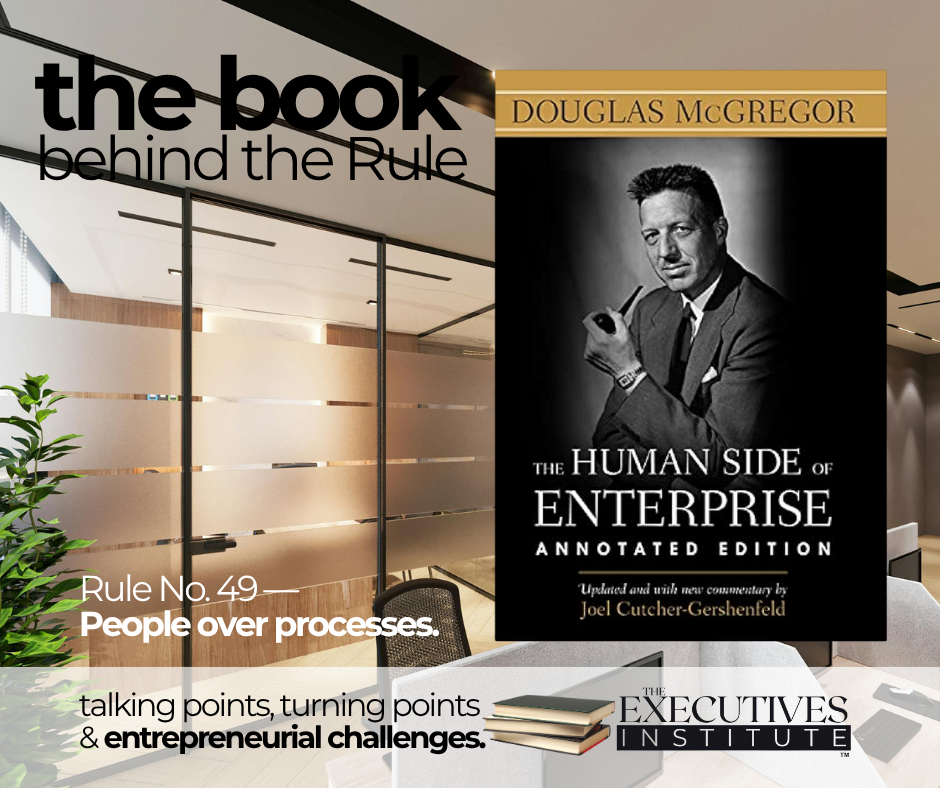
The hard truth📌 Processes don’t build businesses. People do.
Rule No. 50 📔 If you’re going to eat shit, don’t nibble.

The Principle: Every business owner has to do things we don’t want to do. Don’t hide from it. Don’t sugarcoat it. Don’t keep putting it off. Make the hard call, take the hit, learn what you need to learn, and move on. You already know there will be hard days. The goal isn’t to avoid them. The goal is to get through them and keep moving.
✍️ Ask yourself: Am I delaying any decisions to protect myself or spare others, and what’s the real cost of waiting?
👥 Insights & Reviews Published: 0
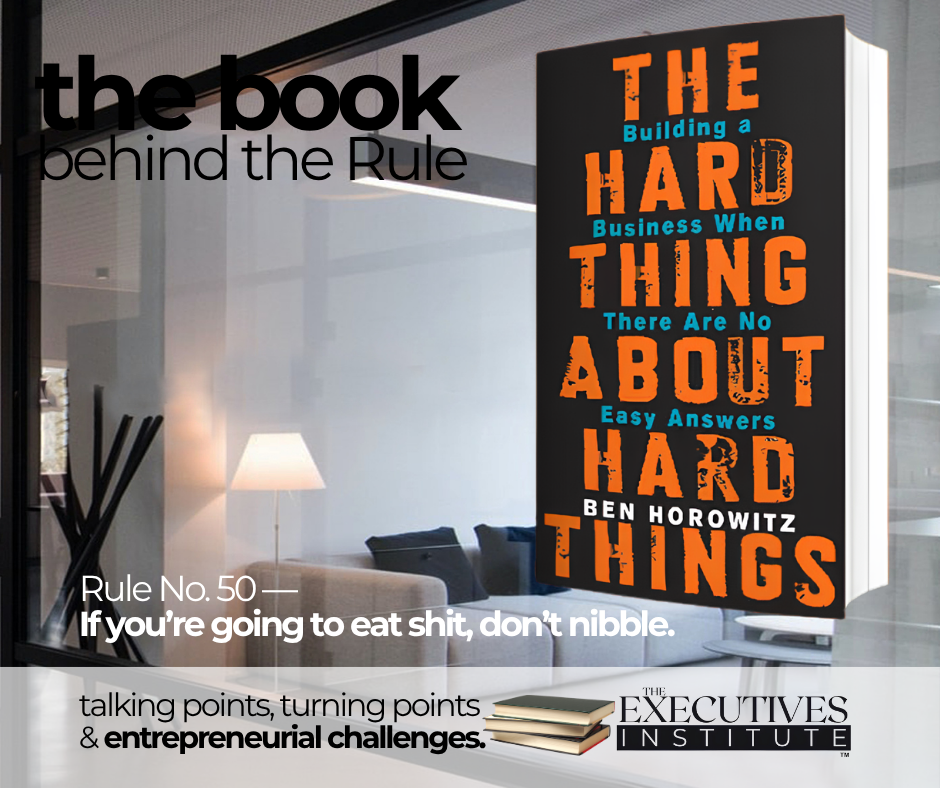
The hard truth📌 It’s gonna hurt. Don’t make it hurt longer than it has to.

Rule No. 51 —A title doesn’t make a leader.
📖 the book: The 21 Irrefutable Laws of Leadership, by John Maxwell

Rule No. 52 —Know what you’re after.
📖 the book: Think and Grow Rich, by Napoleon Hill

Rule No. 53 —Do the work only you can do. 📖 the book: The Effective Executive, by Peter F. Drucker

Rule No. 54 —Win before you fight. 📖 the book: The Art of War, by Sun Tzu

Rule No. 55 —Turn mistakes into Rules. 📖 the book: Principles, by Ray Dalio

We’re calling on you to help us build the next 50 Rules!
The first 50 Rules were built on timeless business principles that have stood the test of time. But there are hundreds of great business books still waiting to be added to America’s Business Library, and we’d like your help.
If a business-related book has helped shape the way you lead, build, hire, sell, negotiate, or think, let us know. Pair the book with a guiding principle you believe every executive should remember, along with a brief summary explaining why it matters. Don’t worry about making it perfect. Our editorial team will review, refine, and format every submission before it becomes part of the Institute.
It doesn’t have to be polished, it just has to be real!
Your idea could become one of the next 50 Rules that helps thousands of business leaders make better decisions for years to come.
“Gentlemen, this is a football.” —Vince Lombardi
about Coach Lombardi’s quote
After blowing a 4th quarter lead and losing the championship game to the Philadelphia Eagles in the prior season, that simple, direct statement was how Coach Vince Lombardi opened the Green Bay Packers summer training camp in 1961. Lombardi had his championship-caliber players open their playbooks to page one and he began reminding them of the fundamentals of the game; blocking, tackling, passing, catching. The things that he knew had to be done well before anything else mattered. Things his players had been ignoring. That season, they won the NFL Championship 37-0 and Lombardi never coached another losing season. He also never lost another playoff game and won five NFL Championships over the next seven years. That streak began because he reminded those professional athletes of the fundamentals they’d been ignoring.
Business is no different.
Master the fundamentals and you’ll strengthen the foundation of every business you ever build. Ignore them, and the cracks will show. They always do.
Rule No. 100 📔 Make reality catch up.
hard truth: If your business depends on doing things the way they’ve always been done, someone willing to do them differently will eventually put you out of business. 📌

principle: As a business leader, your job isn’t to protect yesterday’s thinking. It’s to find a better answer, challenge the obstacles, and build something that didn’t exist before. Set your sights on what should be possible, then work relentlessly until reality catches up.
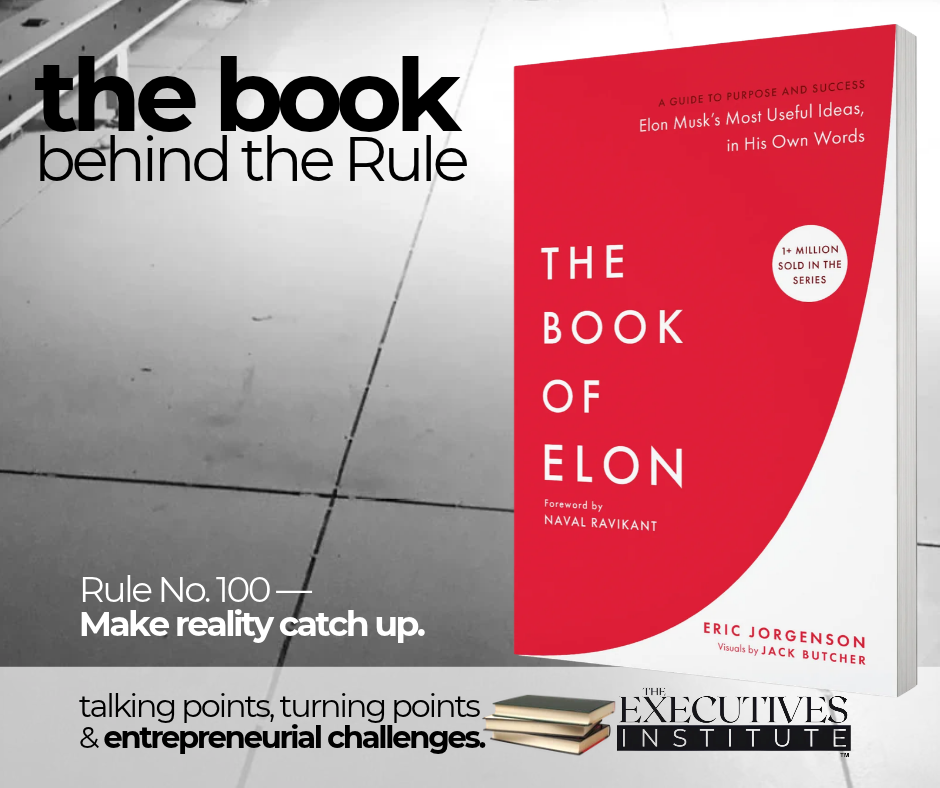
Most people accept the world as it is. They see the limits, hear the excuses, and adjust their ambitions to fit what everyone believes is possible. Builders take a different path. They question the limits, challenge the accepted way of doing things, and set out to make something happen that others believe cannot be done. The road will be harder than expected. The setbacks will be real. And some of the doubters will be right. But progress has always depended on people willing to test the boundaries of what is possible. Don’t confuse conventional wisdom with truth, or today’s limitations with tomorrow’s possibilities. Get clear about what you’re trying to accomplish, prove your assumptions, and do the hard work required to move from idea to reality.
You don’t change the world by waiting for reality to agree with you. You change it by doing the work that makes reality catch up.